
Men's Health: Debunking Myths—Health Benefits and Scientific Guidance for Sexual Activity in Older Adults
Sexual Life in the Elderly
It is normal for older adults to still have a sex life. Although the frequency of sexual activity generally decreases, this decrease is not rapid. Modern medical research suggests that aging does not necessarily mean a decline in libido or a loss of the ability to achieve orgasm. Normal and sustained sexual function in the elderly is an important indicator of physical health and a significant factor in their abundant energy.
Domestic and international surveys show that some loving elderly couples can maintain a sex life until their 70s and 80s, and some men even have sperm remaining viable until their 90s. Dr. Masanori Asatsu of Tokyo, Japan, believes that a high level of sex hormones is the material basis for delaying aging. The hypothalamus and pituitary gland, which are responsible for secreting sex hormones, can achieve good hormone secretion when stimulated by sexual activity, which improves blood circulation and metabolism. He even explicitly stated that appropriate and harmonious sexual activity helps prevent brain aging and avoids disuse atrophy of the reproductive organs. Sexual activity stimulates the ovaries to release more estrogen, resulting in softer, smoother skin and a more cheerful mood in women, which helps alleviate vaginal dryness and discomfort. American psychologist Jane Gukert's research found that long-term sexual repression in sexually active elderly individuals can lower their immune system, leading to various health problems and causing psychological stress, anxiety, tension, depression, and self-blame.
Normal sexual activity in the elderly not only reduces the likelihood of physical and mental illnesses but also greatly benefits the prevention of cancer and various gynecological diseases. Research by West German medical experts has found that sex increases the secretion of β-endorphins, enhances the activity of macrophages and anti-interference agents, and can prevent certain cancers. Normal and satisfying sexual activity in elderly couples can reduce the incidence of prostate cancer in men and breast cancer in women. Some sexologists believe this is because intercourse keeps the male prostate gland open and improves blood circulation, thus helping to prevent and reduce inflammation, enlargement, and malignant tumors of the prostate. Harmonious sexual activity and the pleasure of orgasm also help regulate various hormones in women, promote psychological balance, and relax the mind, thereby reducing the incidence of breast cancer.
Furthermore, male semen contains an important antibacterial protein comparable to penicillin—seminal plasma—which can kill pathogenic bacteria such as Staphylococcus and Streptococcus. Elderly women, due to declining estrogen levels, are prone to various gynecological diseases. Timely and reasonable sexual activity allows the husband's semen to regularly lubricate the vagina, playing a beneficial bactericidal role, thereby preventing and reducing many gynecological diseases. Sexual activity is also a relaxing physical activity. According to experts, the oxygen consumption of sexual intercourse between couples is equivalent to climbing four flights of stairs or taking a light walk. Besides accelerating blood circulation and increasing lung capacity in the elderly, it also increases overall movement of the pelvis, limbs, joints, muscles, and spine, which is beneficial to health. There are many centenarian couples in the world, all of whom are deeply in love. Studies show that single people have a higher mortality rate than married people, widowed people have a higher mortality rate than those who grow old together, and divorced people have a higher mortality rate than those who do not divorce, with men being particularly affected. These differences are due to the loneliness and isolation resulting from the loss of a sexual partner. The intimate marital relationship and sexual intimacy of elderly couples cannot be replaced by anyone else in the family. Many surveys show that elderly men are more likely to regard their wives as their only partner.
According to a survey by relevant personnel in the United States, another important psychological characteristic of the elderly is that they feel an increasing need for love as they age. Many elderly couples are inseparable and devoted to each other, which is the greatest comfort and joy for the elderly. In medical practice, we have encountered cases where elderly people suffer from psychogenic neurosis due to the death of their spouse two years prior, exhibiting symptoms such as insomnia, irritability, constant headaches, and a feeling that life is meaningless. Various treatments have been tried without success. Several months later, when the doctor saw him, he was radiant; he had found a new partner. Sexual intimacy had brought him emotional satisfaction, providing a psychological therapeutic effect that medication couldn't achieve. This demonstrates that a normal, harmonious marriage and sexual activity are essential for the mental health of the elderly.
The following points should be considered when elderly people engage in sexual activity:
1. Maintaining mental health: It's important to acquire necessary sexual knowledge, have a correct view of marital sex, have confidence in oneself, prevent feelings of decline due to old age, and avoid being influenced by societal prejudices. The guiding principle should be: "This is normal; we can do it."
2. Maintaining an appropriate sex life: Some mistakenly believe that maintaining a sex life will greatly affect the physical health of middle-aged and elderly people. The reality is quite the opposite, because "not using it" leads to "losing it." Numerous studies have shown that elderly women who do not have sex experience greater vaginal atrophy than their sexually active counterparts; similar phenomena occur in men. Men over 60 who maintain regular and satisfying sexual activity can enjoy abundant energy and a cheerful mood; conversely, infrequent or absent sexual intercourse can lead to conditions such as congestive prostatitis. Dr. Masanori Asanaga of the University of Tokyo recently pointed this out in his book, *Preventing Brain Aging*. He noted that those without sexual activity experience a phenomenon known as "use it or lose it," or "sexual atrophy." He further clarified that appropriate sexual activity helps maintain brain youth and prevent brain aging. He believes that the hypothalamus and pituitary gland are responsible for secreting sex hormones. Sexual activity stimulates this part, promoting hormone secretion and improving blood circulation and metabolism. Experiments have shown similar responses in elderly individuals who have lost their reproductive function.
3. Combining outdoor exercise with sexual activity: For the elderly, regular outdoor walks or exercise effectively promote health and delay aging. Activity time should generally be 40-60 minutes. However, for most people, morning exercise is just as beneficial as periodic sexual activity. Maintaining a moderate sex life in addition to morning exercise can increase physical activity and health. This is because people over middle age often have less physical activity and exercise; their bodies are not adapted to strenuous exercise, while light exercise is more tolerable. Sexual activity is actually a form of light exercise. During intercourse, the pelvis, limbs, joints, muscles, and spine get more movement, promoting blood flow throughout the circulatory system, accelerating circulation, increasing the demand for oxygen and carbon dioxide exchange, increasing lung capacity, and increasing the blood volume received by the heart, thus increasing the heart's workload. Experts believe that a certain amount of calories are burned during a normal sexual encounter, which is also beneficial for weight loss.
4. Mastering the timing and manner of marital sexual activity: The above description is based on people with good heart health or who can tolerate these activities. Even for people with good heart health, sexual activity should still be in a supplementary role, not indulged in, and should not be the sole or primary method for strengthening the body. For older adults, age and physical condition differ from those of younger people, and the timing and manner of their sexual activity should also differ. To accommodate changes in sexual function, many elderly couples choose to have intercourse in the early morning when their energy is at its peak. Experts advise older adults to emphasize foreplay, or even use foreplay as a substitute for intercourse.
Sex scientists believe that just as the heart is the central organ of the circulatory system and the lungs the central organ of the respiratory system, the skin is the central organ of the sexual system. Skin contact between the sexes, including touching and hugging, plays a vital role in satisfying physiological and psychological needs. Humans have a need for contact from birth, a need that continues until death. Gentle and considerate contact has a therapeutic effect. Especially for older couples, whose sexual function has begun to decline, emphasizing foreplay, or using foreplay as a substitute for intercourse, not only satisfies both partners physiologically but also promotes mutual love, consideration, and respect.
In short, older adults have the right and the potential to enjoy a fulfilling sex life. We should remember a principle pointed out by a sex scientist in 1978: "One of the goals of sex therapy is to help older adults achieve sexual satisfaction. This not only has positive social significance, but also enables older couples to enhance their intimacy and self-esteem through further emotional communication, and experience the joy of life without mental stress. Society should accept this as it does for younger people."

Common sexual dysfunctions and male health care in self-examination
This article introduces common male sexual dysfunctions such as weak ejaculation and erectile dysfunction, and emphasizes self-examination and timely medical attention for issues such as cryptorchidism and phimosis. Scientific male health care requires facing these issues squarely and observing daily behavior. This knowledge of male health care is of great significance for maintaining overall health and family harmony.
2026-03-24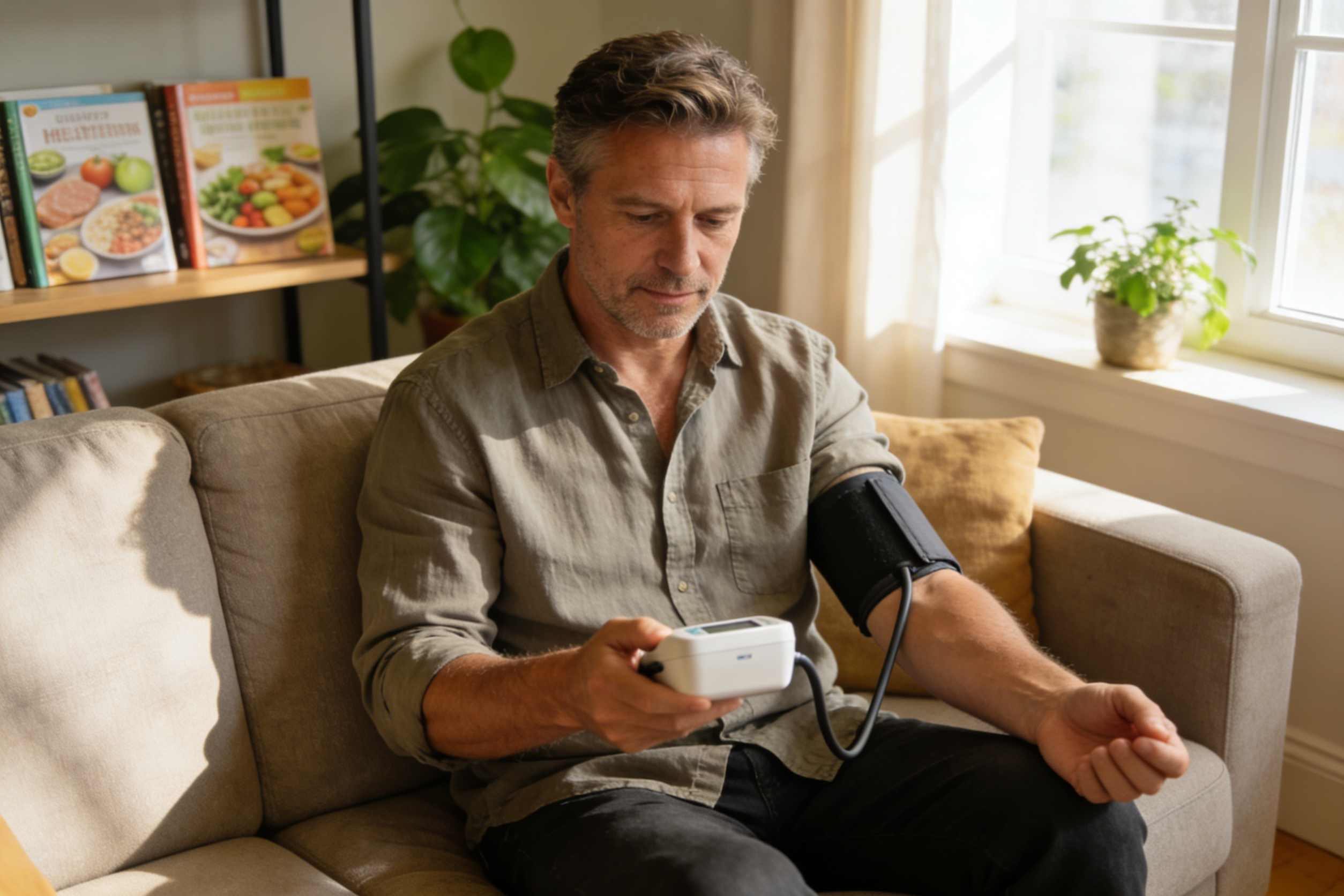
Non-pharmacological treatments for hypertension and strategies for male brain health
This article introduces non-drug therapies for hypertension, such as weight loss, salt restriction, and exercise, and emphasizes that men, due to faster brain atrophy, need to pay attention to brain health and a brain-boosting diet. Scientific daily health care needs to start with lifestyle interventions and protection for specific populations. Comprehensive health knowledge is of great guiding significance for controlling chronic diseases and delaying brain aging.
2026-03-24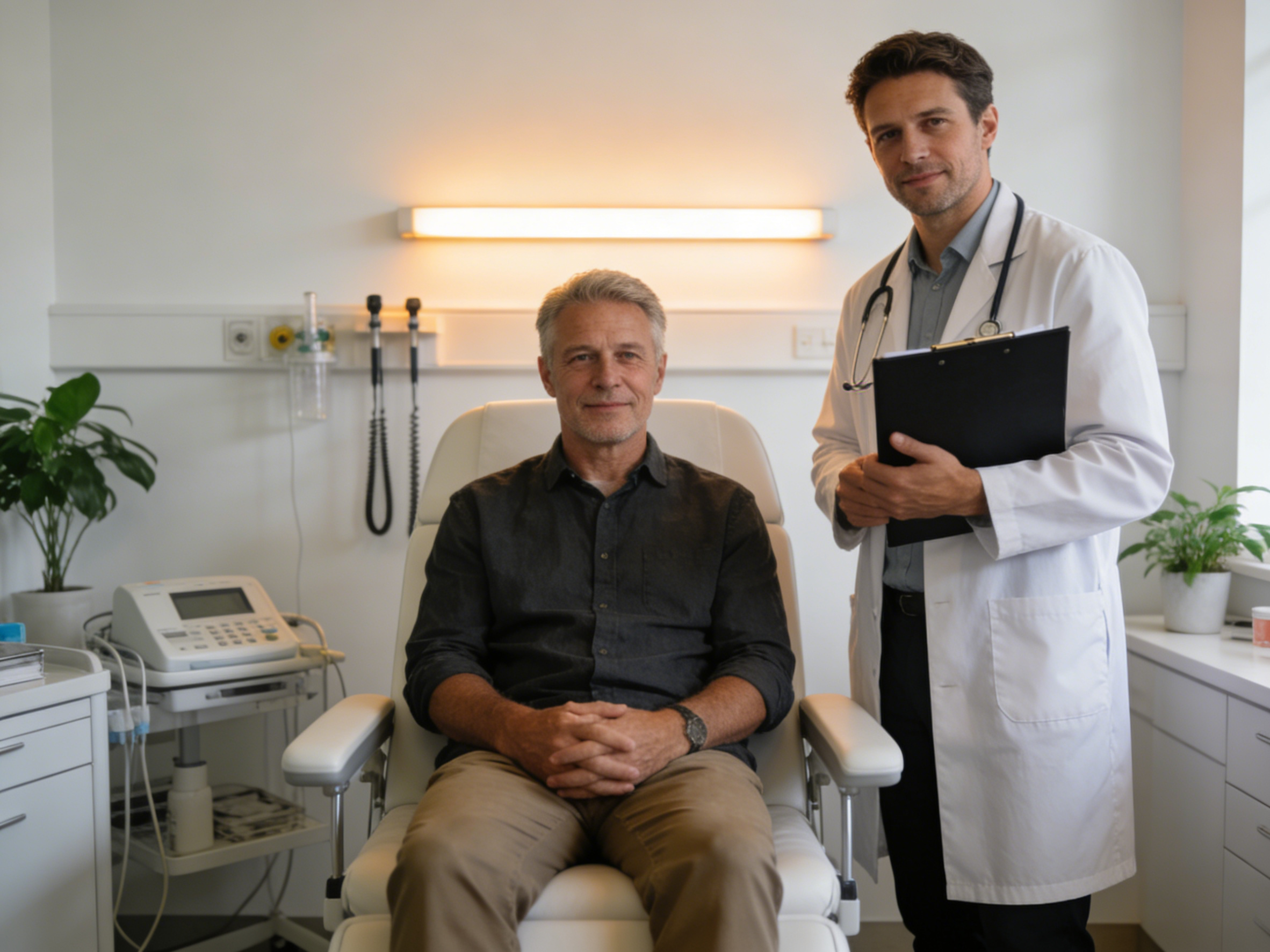
Self-care guide to identifying ischemic chest pain and heart disease
This article details the key points for identifying the nature, location, and duration of ischemic chest pain, and provides comprehensive self-care methods for heart disease patients, covering diet, exercise, and medication. Scientific health management begins with recognizing warning signs and daily protection; comprehensive health knowledge is of great guiding significance for safeguarding heart health and improving quality of life.
2026-03-05