
Health care for elderly men: Remarriage is beneficial to the physical and mental health of widowed and widowed elderly people.
Remarriage for Widowed and Widowed Elderly Makes Sense
Most divorced and widowed elderly people have the desire and desire to remarry. For example, a survey conducted by Li Tianduo et al. in Hubei Province found that among 434 widowed elderly people in rural areas, 375 (86.14%) expressed a desire to remarry. Of these, 181 were men (97.31% of all widowed men) and 194 were women (78.23% of all widowed women), with men significantly outnumbering women. While widowed and widowed elderly people have the desire and desire to remarry, they often lack the courage and confidence. This contradictory psychological state is particularly prominent among widowed elderly women. The loneliness of the elderly is not limited to being alone; even with relatives around, varying degrees of loneliness can still occur. This is mainly because the elderly have a relaxed lifestyle, reduced social interaction, and a monotonous daily life, leading to a feeling of disconnection from society. The feeling of being isolated, like "watching a play through a wall, yet living in two different worlds," easily generates a sense of isolation. Widowhood in old age further exacerbates this loneliness. Psychologists believe that living beings experience the joy of "partnership." Once widowed, they are left alone and helpless. In grief and loneliness, they may pass away one after the other.
I. The Current Situation of Widowed and Elderly People
In today's aging population, the number of widowed and elderly people living alone is constantly increasing, especially among elderly women who have lost their husbands, a situation that is prominent both domestically and internationally. For example, among the 434 widowed elderly people mentioned above, 186 were men (42.86%) and 248 were women (57.14%). According to statistics from West Germany in 1981, among people over 60 years old, women accounted for 63% and men for 37%, indicating that the situation of widowed elderly women is particularly serious. In my country, according to statistics from the National Bureau of Statistics in 1982, among the elderly aged 60-70, 29,287,128 were widowed, including 8,512,849 men (29.06%) and 20,771,210 women (70.93%). Among the elderly aged 80 and above, 4,072,801 were widowed, including 1,044,098 men (25.64%) and 3,028,703 women (74.30%). It is evident that the older the age, the higher the proportion of widows, and the higher the proportion of widows among elderly women. This brings many difficulties and inconveniences to single elderly people, especially single elderly women.
II. The Impact of Widowhood on Health in the Elderly
1. Difficulties in Life for Elderly Widowed Women 1. **The loss of a husband:** The loss of a husband first reduces a woman's income, increasing her financial hardship. Secondly, it makes certain heavy housework difficult due to a lack of labor. This is particularly pronounced for elderly women who live separately from their children or have no children of their own. Financial difficulties also negatively impact their physical and mental health.
2. **Negative Psychological Impacts:** The loss of a husband disrupts the biological concept of "pairing," leading to a series of psychological imbalances. This can manifest as psychological trauma, distress, loneliness, and isolation, resulting in so-called "empty nest syndrome," and a significant decline in life satisfaction.
3. **Adverse Health Impacts:** A warm and harmonious family environment with a married couple is beneficial to physical and mental health. The loss of a husband inevitably brings some adverse factors to elderly women. Many studies have shown that single individuals, divorced individuals, and widowed individuals have significantly higher morbidity and mortality rates compared to couples in normal households. A study by Japanese scholars Kawakatsu et al. (1983) showed that divorced or widowed women had a cervical cancer mortality rate twice as high as married women. During the course of the illness, widowed women also experienced higher levels of mental health symptoms. Statistics on suicide rates showed that divorced or widowed women had a significantly higher rate than married women. Regarding the incidence of cerebral hemorrhage, single women had a significantly higher rate than non-single women, with the former being twice as likely as the latter.
III. The Purposes of Remarriage in the Elderly
The purposes of remarriage in the elderly vary. As the saying goes, "An old partner, an old partner, the older you get, the more you need companionship." The desire for mutual support and care to alleviate loneliness is often one of the purposes of remarriage for the elderly. Some prefer to live separately from their married children for peace and quiet because they dislike the bustling atmosphere of "four generations under one roof." Others do it to meet certain needs of both partners. In short, they want to rebuild their families through remarriage and enjoy the joys of family life.
When it comes to remarriage among the elderly, people often perceive it from the perspective of mutual emotional dependence and care. Remarried elderly people often understand and perceive remarriage as simply about companionship, neglecting sexual intimacy. There's a view that older people's sexual function declines, and remarriage for the elderly is only about companionship. This view lacks scientific basis and reflects outdated ideas. Research in gerontology shows that for healthy elderly people, advanced age does not necessarily mean a decline in libido. Therefore, the presence or absence of sexual intimacy should not be ignored when assessing the necessity of remarriage. Regrettably, some young people view the affection and sexual desires of the elderly as "immoral" or "lacking ambition," which is extremely wrong. Love doesn't belong only to the young; it also belongs to the elderly—this is a natural right.
IV. Benefits of Remarriage for the Elderly
From the perspective of protecting the health of the elderly and preventing disease, remarriage for widowed or widowed elderly people has benefits. The intense trauma of widowhood for the elderly can lead to depression, pessimism, and a lack of family warmth and care, resulting in feelings of loneliness. Coupled with their emotional fragility and poor adaptability, the inability to self-regulate can create psychological stress, triggering the release of hormones that increase blood pressure and heart rate, disrupting the balance of various metabolic processes. This can also lower white blood cell counts, impairing bodily functions and impacting health. This is particularly evident in widowed elderly women. They are often highly dependent and unable to effectively manage their own lives. After experiencing trauma, they are prone to feelings of helplessness and melancholy, potentially leading to depression, and in severe cases, suicidal thoughts.
While medication can help regulate and improve symptoms of endocrine disorders or illnesses in widowed elderly, its effectiveness is limited. Filling the void and alleviating loneliness often plays a more crucial role. "Companionship in old age" is indeed a wise solution. This measure not only helps reduce the burden on families and society but also allows the elderly to enjoy their later years in peace.
V. Remarriage for the Elderly Should Be Understood and Supported
Why do elderly people living alone lack confidence in remarriage? The biggest psychological obstacle for the elderly is the consideration of whether they can gain sympathy from public opinion, especially from their children. The influence of their children's attitudes is particularly strong for elderly women remarrying; many children consider it "disloyalty" to their deceased father and cannot accept it emotionally. Many people in society still believe that "a woman should not marry twice." Therefore, elderly women worry about the damage to their reputation and the shift in their children's attitudes and feelings towards them, thus giving up their desire to remarry. Although some widowed and elderly people break through the constraints of traditional concepts and remarry happily, the difficulty of remarriage for the elderly remains a social problem. The aforementioned figures reveal a significant gender imbalance among the elderly in my country, with a disproportionately large number of women compared to men. Data shows that from March 1986 to May 1987, a certain marriage agency saw 488 elderly men register for marriage, while only 112 women did so. A major reason for this is the lack of social support for remarriage among elderly women.
Remarriage is a right of widowed and widowed elderly individuals, and should be legally protected as long as both parties agree. However, it is worth noting that maintaining the stability and longevity of remarried elderly couples and avoiding divorce is a crucial issue. Therefore, elderly people should have a courtship period before remarriage to deepen their understanding of each other's personalities, habits, interests, and lifestyles, thereby enhancing the stability and longevity of their marriage.
In conclusion, the entire society should be concerned about the issue of remarriage among the elderly. Children, in particular, should understand and be considerate of their parents, respecting and acting according to their wishes and judgments. They can also act as advisors when necessary, helping to create conditions for their parents to achieve the happiness they deserve.
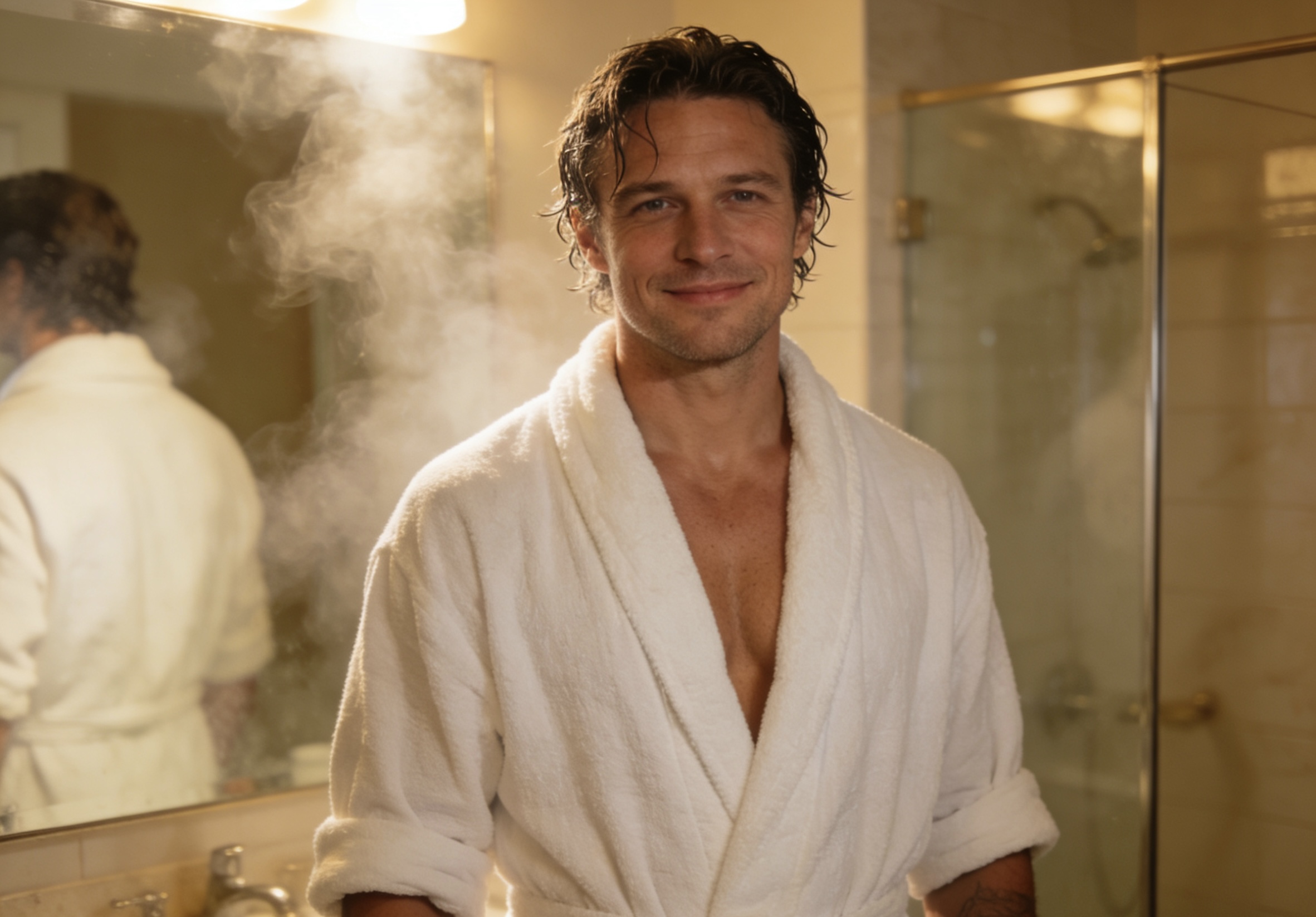
Comprehensive Precautions and Health Guidelines for Men's Bathing
This article provides a comprehensive analysis of men's bathing precautions, covering topics such as soap selection, water temperature control, bathing duration, prevention of fainting, and precautions after drinking alcohol. Mastering scientific bathing health knowledge and developing healthy bathing habits is an important part of protecting skin and overall health.
2026-03-04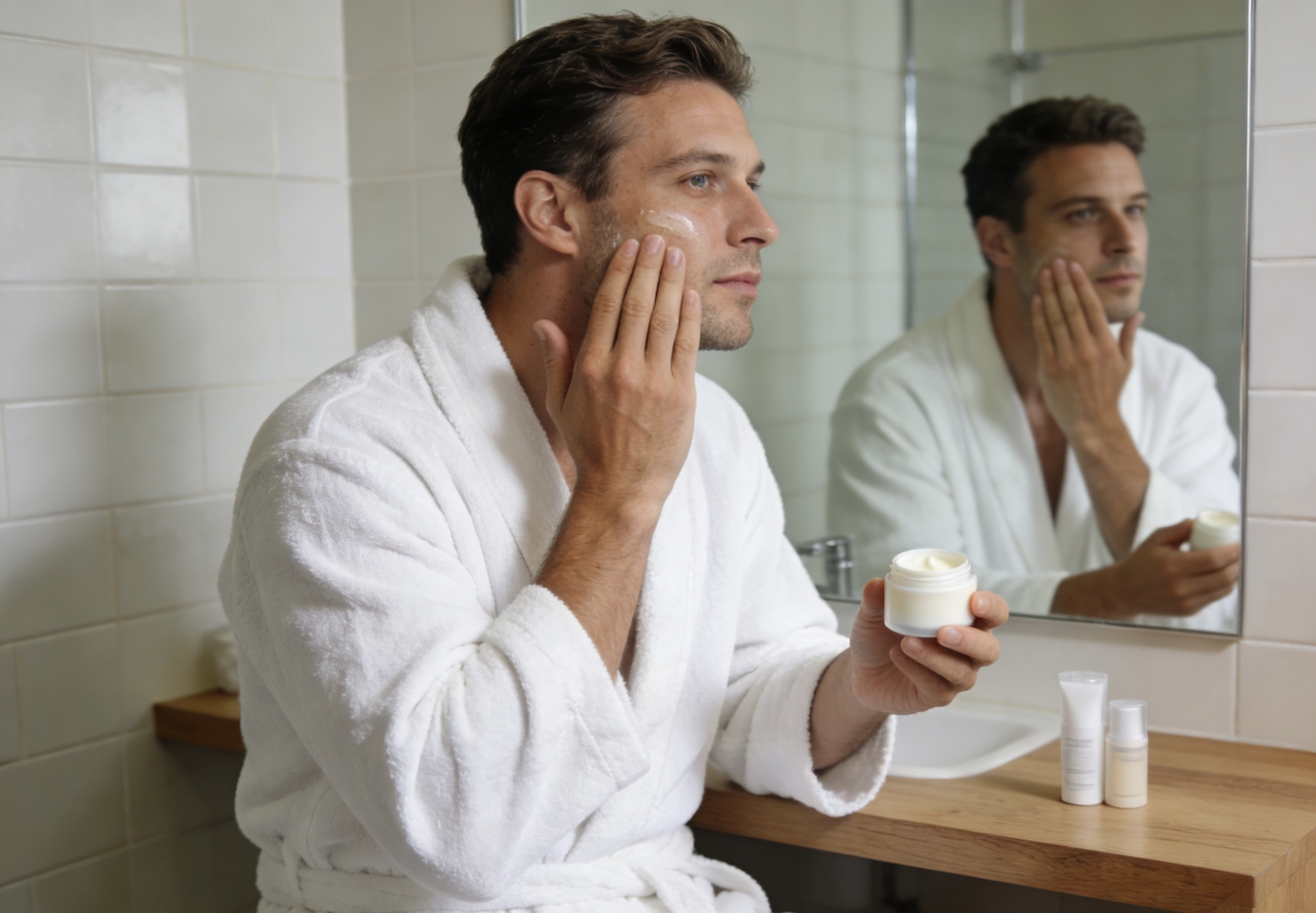
Comprehensive Health Knowledge on Men's Grooming and Skin Care
This article systematically introduces six aspects of men's grooming and four steps of skincare, from cleansing and shaving to moisturizing and dressing. Mastering scientific image management and health knowledge helps men project confidence and charm. These skincare and health tips allow you to cultivate both inner and outer beauty, radiating vitality.
2026-03-04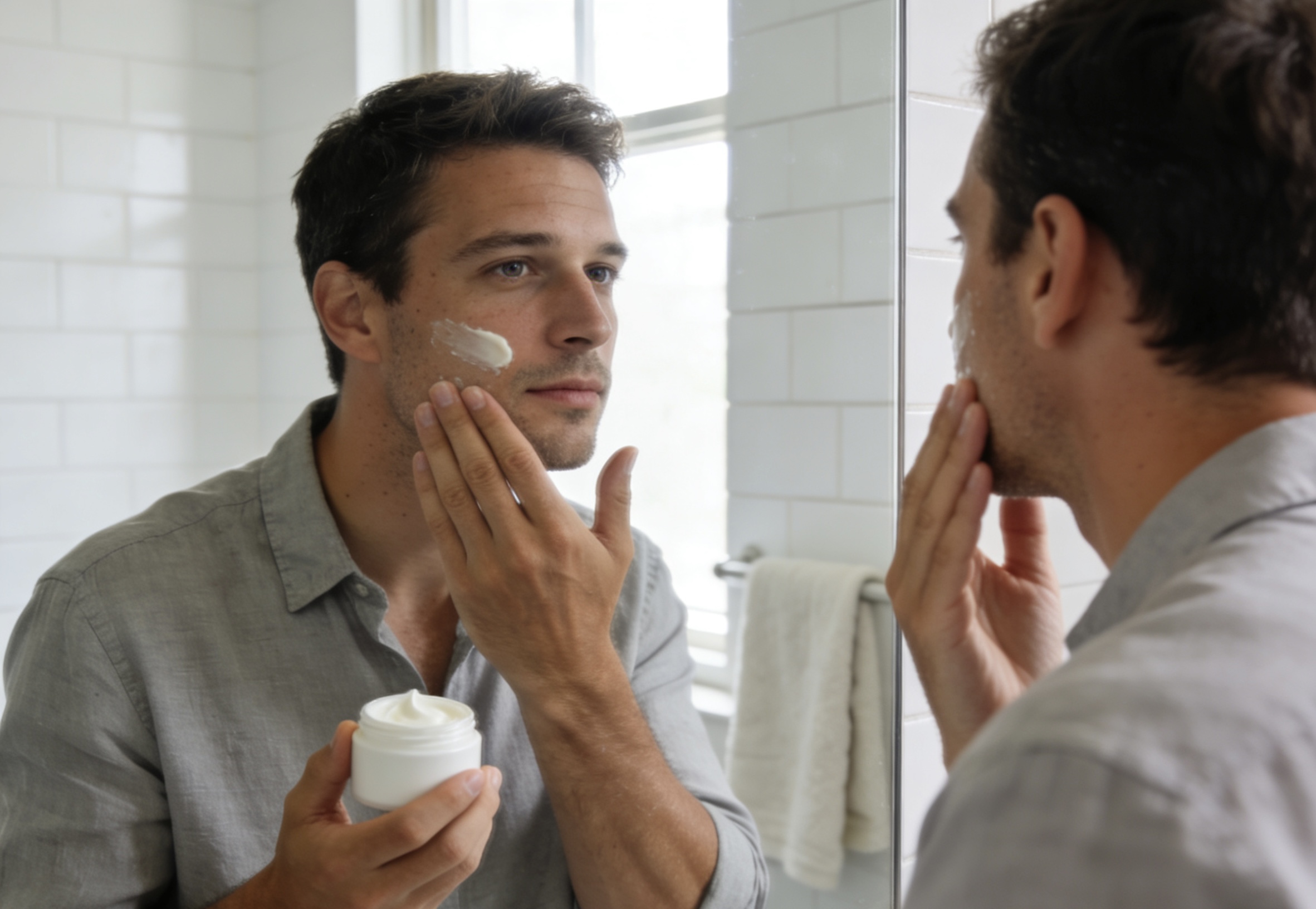
Men's skincare and health care tips for oily and normal skin
This article provides a professional men's skincare guide, focusing on cleansing and oil control for oily skin and balancing care for normal skin. Mastering scientific skincare knowledge helps men maintain healthy skin. These professional skincare methods will allow you to exude confidence and charm through your skincare routine.
2026-03-04