
Non-pharmacological treatments for hypertension and strategies for male brain health
Non-pharmacological Treatment of Hypertension
Weight loss and weight control. The prevalence of hypertension in obese individuals is 2 to 6 times higher than in those of normal weight, and being overweight is an independent risk factor for hypertension.
Dietary control and reduction of daily calorie intake. Hypertensive patients should limit fat intake, eating less fatty meat, animal organs, fried foods, pastries, and sweets, and increasing their intake of vegetables, fruits, fish, mushrooms, and low-fat dairy products.
Dietary salt intake is related to the onset of hypertension. Hypertensive patients should consume less than 5 grams of salt per day, especially those who are salt-sensitive.
Quit smoking. Nicotine in cigarettes stimulates the heart, increases heart rate, constricts blood vessels, and raises blood pressure.
Limit alcohol consumption. Excessive alcohol consumption, especially of strong liquor, can increase heart rate and blood pressure. Even if a patient's blood pressure is not high immediately after drinking, it may still rise several days later. Therefore, hypertensive patients should limit alcohol consumption.
Limit tea consumption. Tea contains a small amount of theophylline, whose diuretic effect can be beneficial for those with high blood pressure. However, drinking excessively strong tea can lead to high theophylline levels, causing excitement, insomnia, and palpitations.
Increase physical activity. Appropriate physical exercise can improve physical fitness, aid weight loss, and maintain a normal weight. Suitable activities include jogging, brisk walking, swimming, cycling, and gymnastics, generally for 30-60 minutes, with intensity varying from person to person.
For those with hypertension, it is important to maintain a balance between work and rest, keep a cheerful mood, and avoid getting angry.
If blood pressure is well controlled through 3-6 months of non-pharmacological treatment, this can be maintained. If ineffective, oral antihypertensive medication should be taken. Don't avoid medication just because you are young or asymptomatic. It's important to remember that once you start taking antihypertensive medication, you must take it daily.
Men Need More Brain Health Care
Medical research has found that men should pay more attention to protecting their brains because the male brain atrophies much faster than the female brain. After middle age, men experience a significant decrease in brain cells with age, dying twice as fast as women. The surface regions of the male brain tend to lose more cells than the central regions, and these surface regions are involved in cognitive functions such as reasoning, calculation, logic, language, and concept generation. Studies have found that women typically lose roughly equal numbers of brain cells on both sides of their brains; however, men lose approximately twice as many cells on the left side as on the right. The brain cells lost by men are mostly those related to cognitive abilities such as language and reasoning. Therefore, men are more likely to develop Alzheimer's disease than women.
Many methods for brain health maintenance are available, but the most easily overlooked is how to use the brain scientifically.
Avoid overworking the brain. Prolonged overuse of the brain can damage brain cells and lead to memory decline. Avoiding late nights is an effective way to protect the brain. Research shows that the body's adrenal cortex hormones and growth hormones are only secreted during sleep at night; the former is secreted before dawn, and the latter is produced after falling asleep. Adrenocortical hormones promote glucose metabolism and muscle development; growth hormone not only promotes growth and development in adolescents but also regulates the body's circadian rhythms. Insufficient secretion of these hormones can disrupt these rhythms, leading to brain cell decline.
To protect the brain, pay attention to a balanced diet, eating more fish, especially sea fish. In addition, experts recommend two unassuming foods to those who overuse their brains: onions and garlic. These two foods share a common characteristic: they both contain a substance called prostaglandin A, which can dilate small blood vessels, promote blood circulation, lower blood pressure, and has good brain-boosting functions.
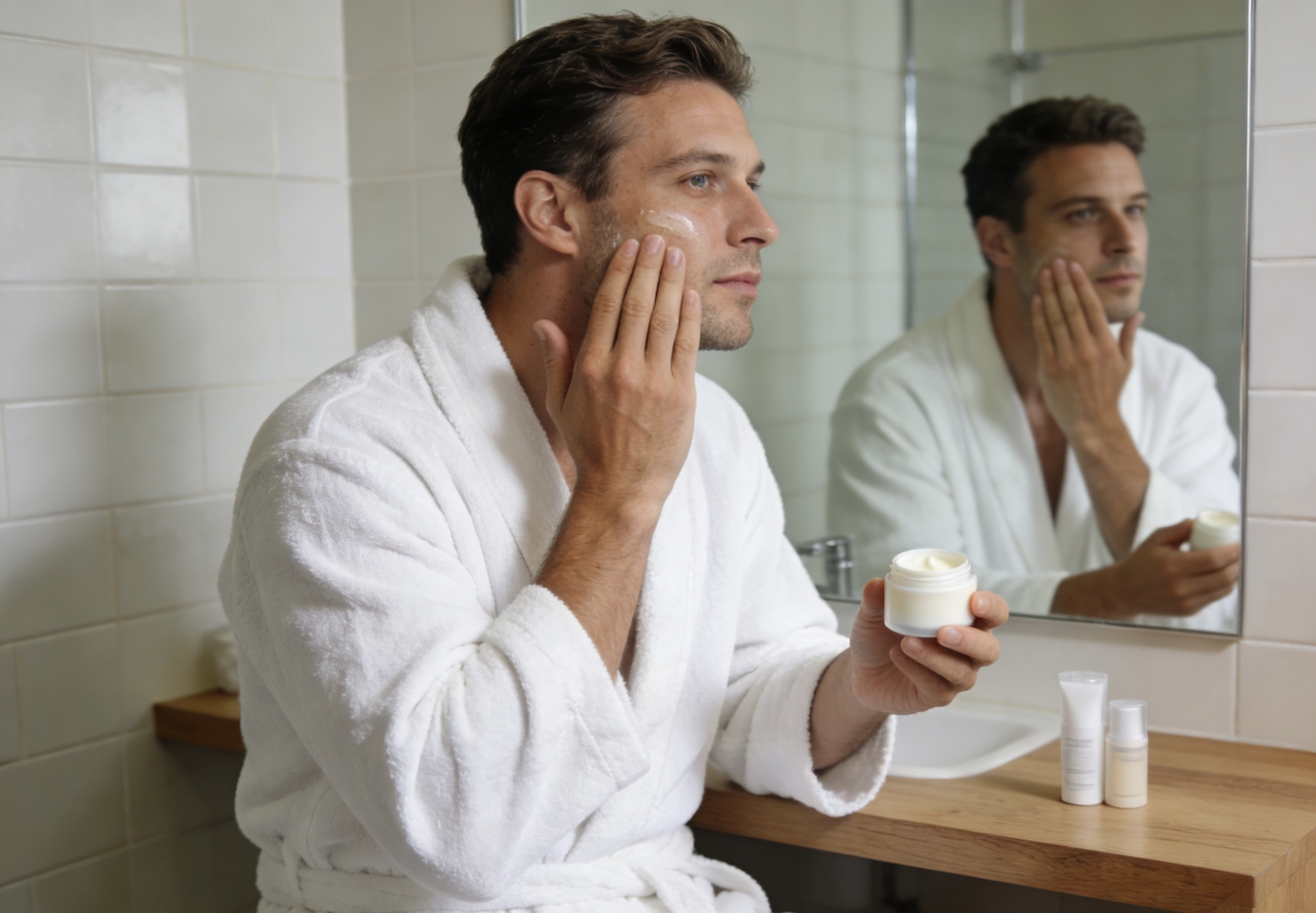
Comprehensive Health Knowledge on Men's Grooming and Skin Care
This article systematically introduces six aspects of men's grooming and four steps of skincare, from cleansing and shaving to moisturizing and dressing. Mastering scientific image management and health knowledge helps men project confidence and charm. These skincare and health tips allow you to cultivate both inner and outer beauty, radiating vitality.
2026-03-04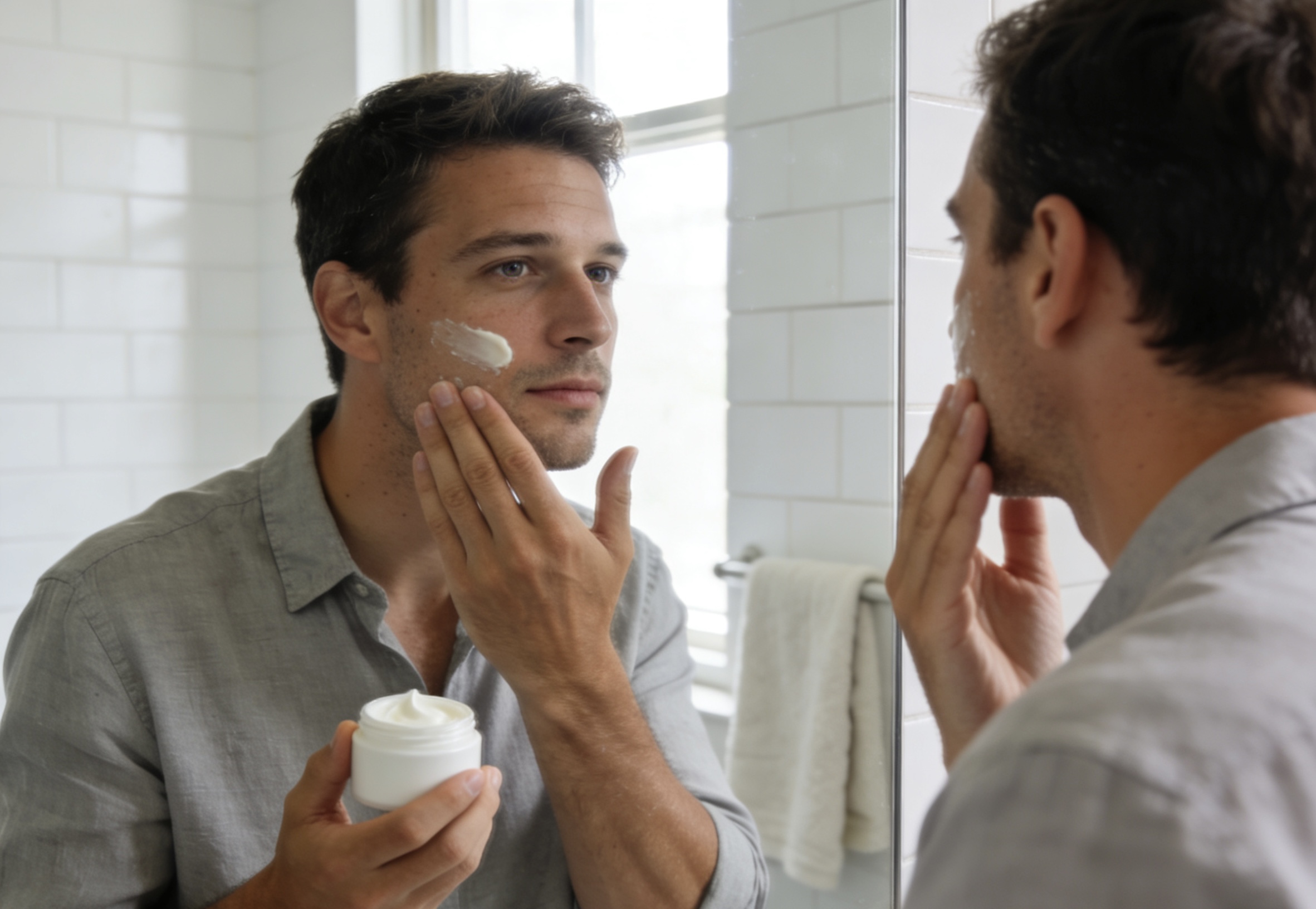
Men's skincare and health care tips for oily and normal skin
This article provides a professional men's skincare guide, focusing on cleansing and oil control for oily skin and balancing care for normal skin. Mastering scientific skincare knowledge helps men maintain healthy skin. These professional skincare methods will allow you to exude confidence and charm through your skincare routine.
2026-03-04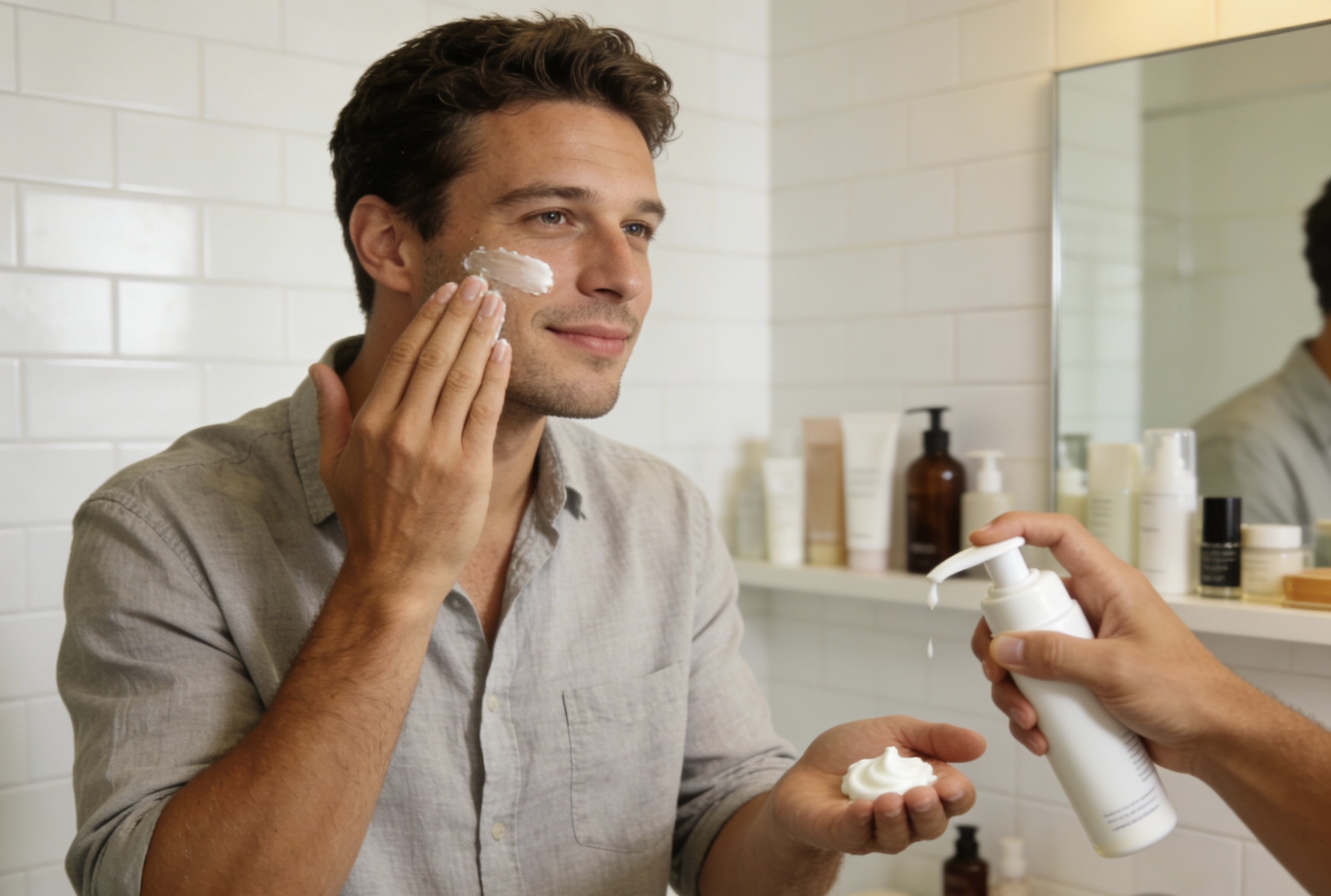
Dry skin care and scientific facial cleansing tips
This article, tailored to the characteristics of dry skin, details a complete skincare routine from cleansing and moisturizing to diet, and introduces the correct steps and techniques for washing your face. Mastering scientific skincare knowledge can help men say goodbye to dryness and roughness. These practical health tips will help you care for your skin's health during your daily cleansing routine.
2026-03-05