
Comprehensive Precautions and Health Guidelines for Men's Bathing
Men's Bathing Tips (Part 1)
Bathing promotes blood circulation, relieves fatigue, and boosts metabolism. Men should pay attention to the following when bathing:
Use the right soap. There are four types of soap: hard soap, soft soap, superfat soap, and medicated soap, each suitable for different skin types. Hard soap produces rich lather and has strong cleaning power, suitable for oily skin; soft and superfat soaps are suitable for dry skin; and medicated soaps should be used by those with skin conditions. Applying too much soap or rubbing too much lather can irritate the skin.
Don't bathe for too long. Whether showering or bathing, bathing should not exceed 10 minutes. Especially in winter, "short time" should be the priority to avoid catching a cold and to reduce the time the skin is exposed to low temperatures, thus reducing the chance of wrinkles.
Be careful to avoid fainting while bathing. Do not bathe when hungry, overly full, in excessively hot water, with low blood pressure, or when fatigued.
The frequency of bathing should vary depending on the time and place. Overweight individuals, those with excessive sebum secretion, and those who sweat a lot can bathe more frequently; in winter, 1-2 times a week is sufficient; in summer, once a day is acceptable. In hot southern climates, showering 3 times a day is not excessive; in cold northern climates, bathing once a week is not insufficient.
Bathing time. Bathing before bed is advisable, as it can relieve the day's fatigue and promote restful sleep. Bathing immediately after meals causes excessive blood flow to the subcutaneous capillaries, relatively reducing blood flow to the abdominal cavity, which can easily lead to indigestion. Therefore, avoid bathing after meals.
Drink water after bathing. Bathing itself causes moisture loss from the skin and body, which is more pronounced in winter. Therefore, it is best to slowly drink 1-2 cups of warm water after bathing to replenish fluids.
Men's Bathing Precautions (Part Two)
The water should not be too hot. Excessively hot water and strong steam can lead to skin aging and dryness. 38-40℃ is ideal for skin care.
Don't scrub your skin. Don't scrub vigorously while showering. Repeated, vigorous scrubbing can easily damage the skin, causing excessive shedding of the stratum corneum, leading to dryness, itching, and making the skin more susceptible to bacteria and harmful substances, resulting in folliculitis, boils, and other skin diseases.
Start showering from the feet. While showering from the head is simple and comfortable in summer, this should be avoided in winter. Skin temperature is often lower than bath water temperature, and winter bath water is often much hotter. A sudden influx of hot water can put too much strain on the heart. Therefore, it's best to wet your feet first to allow them to adjust to the water temperature before showering. The ideal water temperature in winter is 37-42℃, but water that is too hot will cause skin dehydration, leading to dryness and even ruptured capillaries. Therefore, bath water temperature should only be slightly higher than body temperature.
Don't shower after drinking alcohol. Taking a bath after drinking alcohol can cause a significant depletion of stored glucose due to increased physical activity and accelerated blood circulation, potentially leading to hypoglycemic shock and even death.
People with dry skin or conditions like ichthyosis, psoriasis, or eczema should bathe less frequently. Frequent bathing with soap and hot water not only removes protective keratinocytes but also washes away the chemical protective film formed by sweat and sebum, triggering or worsening various skin conditions.
Gas water heaters produce various harmful substances during combustion. If ventilation is inadequate when using a gas water heater, these toxic gases can accumulate and, at certain concentrations, cause death. Therefore, proper ventilation is essential when bathing.

Men's Health: Understanding Menopausal Syndrome and Sexual Adjustment in Middle Age
This article analyzes the causes and clinical manifestations of male menopause syndrome from a men's health perspective, and explores the significance of sexual adjustment for middle-aged couples. Scientific men's health knowledge helps men smoothly navigate menopause, and through mutual understanding and adjustment of sexual practices, couples can maintain physical and mental health and marital harmony.
2026-03-06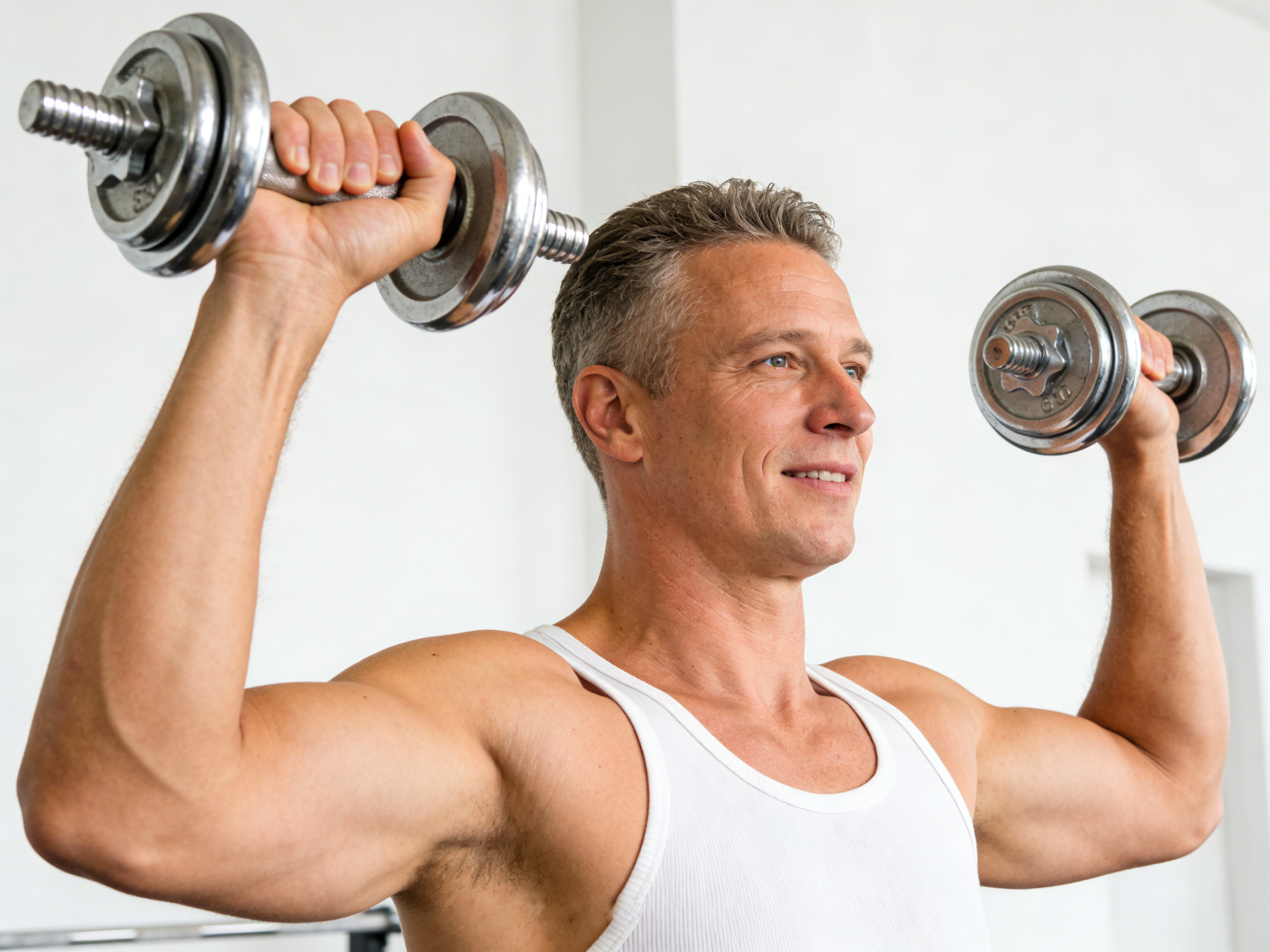
Men's Health: Analysis of Disease Impacts and Massage Therapy Methods
This article analyzes the impact of diseases on sexual function from a men's health perspective and introduces various massage techniques to strengthen sexual ability. Scientific men's health knowledge helps men correctly understand the relationship between diseases and sexual function, maintain physical and mental health through daily care, and improve their quality of life.
2026-03-09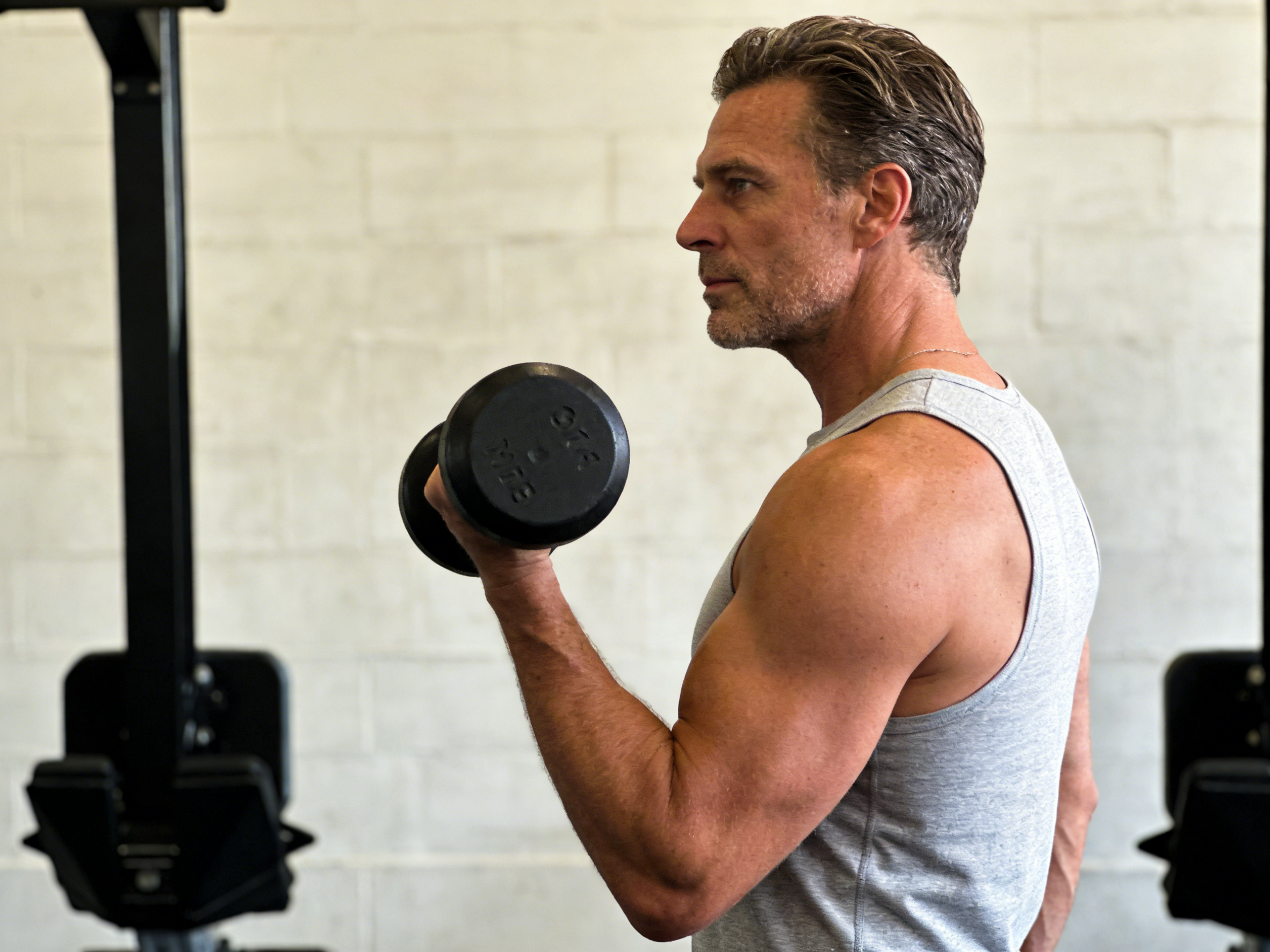
Men's Health and Healthy Living: A Guide to Delaying Aging and Mental Well-being
This article introduces the concept of aging and its influencing factors, and elaborates on methods to delay aging from aspects such as emotional management, regulating lifestyle habits, quitting smoking and limiting alcohol consumption, maintaining a balanced diet, and exercising. It also emphasizes the importance of preventing mental aging in the elderly and ensuring mental health for adolescents, helping readers raise awareness of men's health and promote their physical and mental well-being.
2026-03-09