
Men's Health: Analysis of Disease Impacts and Massage Therapy Methods
What are the main effects of disease on sexual function?
As one scholar once said, "No matter how ugly and powerless a disease may make a person, they will never cease to be asexual beings. Like everyone else, they have desires, expectations, and needs." Many patients' sexual dysfunctions are caused by psychological factors. For example, besides the fear and inferiority complex caused by the illness; patients lack sexual knowledge, are bound by traditional concepts and prejudices; and receive erroneous views from others, including doctors who are not sexologists, causing psychological shock and misleading. All these factors can lead to inhibition of sexual psychology, reluctance to engage in sexual activity, or intentional abstinence. Admittedly, disease and its treatment can sometimes adversely affect a patient's sexual activity. However, aside from certain anatomical and physiological damage, a considerable number of patients with certain diseases continue to maintain good sexual function, and it is unnecessary to unjustly deprive them of their sexual rights.
The effects of illness on sexual function can be broadly categorized as follows:
1. Decreased libido: Generally speaking, aside from a few endocrine system and sexual organ disorders, temporary decreased libido during the acute phase of some diseases or from injuries that do not impair sexual function is mostly caused by excessive worry about the severity of the illness and unrelieved mental stress. Therefore, once the primary disease is cured, the patient's libido will gradually and completely recover.
2. Erectile dysfunction: The aforementioned mental stress can cause psychogenic erectile dysfunction; it can also be caused by the physiological effects of certain endocrine changes due to the disease and the side effects of medications. Therefore, the recovery of erectile function depends on the recovery from the disease and the discontinuation of related medications.
3. Physical Disorders: Acute symptoms from accidents, such as fractures, and acute injuries to muscles, skin, and internal organs, can cause physical disorders and discomfort, making sexual activity difficult for patients. Sequelae of stroke and other disabilities, as well as neurological disorders, can lead to reduced or even lost function in certain parts of the body, also hindering sexual activity. However, during the recovery phase of the illness, rehabilitation exercises for sexual function can be considered simultaneously, and if necessary, other acceptable methods can be used to compensate, such as the use of sex toys.
4. Fear of Sexual Activity: Patients in life-threatening illnesses or those recovering, along with their partners, often fear that sexual activity will cause, aggravate, or worsen their condition, thus developing a fear of sexual activity. This is common among patients with heart disease, high blood pressure, etc.
5. Avoidance of Sexual Behavior: Some female patients have low libido or sexual dysfunction, and their illness becomes an excuse for avoiding sexual activity. Some people who have an aversion to sexual activity, or whose marital relationship is already strained, are more likely to use their illness as an excuse to avoid sexual activity.
In short, couples should correctly understand the relationship between illness and sex to free themselves from unnecessary doubts and promote the recovery and normal functioning of their sexual ability. If, during the recovery period, their physical strength is still sufficient, they can try to maintain a low-intensity, short-duration, and gentle approach to sexual activity a few times. If they are satisfied both physically and mentally, they can continue sexual activity to prevent "disuse atrophy." If problems arise, they should actively treat any existing sexual dysfunctions to promote early recovery.
Introducing Several Massage Therapy Methods to Strengthen Sexual Ability
1. Abdominal Massage:
Lie on your back, relax, and clear your mind. Place one hand on top of the other, palms down, left hand on the bottom. Push along the abdominal wall from the xiphoid process towards the pubic symphysis, from shallow to deep, from light to heavy, gradually increasing the pressure, 100 times each time. Next, use both palms to push from the sides of the abdomen towards the navel 50 times. Kneading can also be performed along the above route. This method can unblock the Qi and blood of the Liver Meridian, which runs around the genitals. Therefore, it can also improve blood circulation in the genitals and thus strengthen sexual function.
2. Abdominal Massage:
Lie on your back, place your right palm down on the Qihai acupoint (two finger-widths below the navel). Massage in a clockwise direction around the navel 50 times, gradually increasing the radius of the circles; then repeat with your left hand in a counter-clockwise direction 50 times. You can mentally follow your hands, imagining the Qi rotating around the navel. The Qihai is also the location of the Dantian; massaging the Dantian helps Qi circulation and strengthens the body's vital energy.
3. Testicular Rubbing:
Stand or sit, use the thumb, index, and middle fingers of both hands to pinch the testicles on the same side, and rub them against the groin area. The procedure is the same as the scrotum and spermatic cord massage method described above, about 100 times. Inhale slowly as you rub upwards and exhale slowly as you lower, creating a slight stretching sensation in the groin area. Do not apply too much pressure.
4. Waist-Pounding and Kidney-Strengthening Method:
Stand with feet shoulder-width apart. Alternately pound the kidney area on the same side of the lower back with the back of your fist 50 times each. The movements should be gentle and deep, and breathing should be natural. This can be done simultaneously with waist rotation. Traditional Chinese medicine believes that the waist is the residence of the kidneys, and the kidneys govern sexual and reproductive functions; therefore, pounding the waist can strengthen the kidneys and enhance sexual function. The center controlling penile erection is located in the lumbosacral region. Improving blood circulation in the lumbosacral region and strengthening stimulation of this area helps to excite the sexual center.
5. Knee Twisting, Rolling Stick, and Foot Massage Method:
Stand with feet together, place your palms on your knees and rotate them left and right 25 times each. This is called the knee twisting method. While seated, barefoot or wearing only socks, roll a round wooden stick back and forth 50 times to stimulate the acupoints on the soles of the feet. This is called the rolling stick method.
There are several other methods for massaging the soles of the feet: ① Sit cross-legged with the soles of your feet facing upwards. Knead and press the Yongquan acupoint on the sole of the foot 10 times, then punch it 10 times. ② Massage the soles of your feet directly with your hands.
③ Strike the soles of your feet with your fists.
④ Scratch the soles of your feet with your fingertips.
⑤ Press the soles of your feet with your big toe.
⑥ Massage the soles of your feet with cold water, peppermint oil, or camphor.
There are six meridians on the front, back, inner, and outer sides of the lower limbs, including the Kidney Meridian, Liver Meridian, Spleen Meridian, Bladder Meridian, Stomach Meridian, and Gallbladder Meridian, which lead directly to the soles of the feet. The first four meridians, in particular, are closely related to sexual function; therefore, stimulating these meridians can also strengthen sexual function.
Aging begins from the feet. Middle-aged and elderly people should pay attention to stimulating the soles of their feet because there is a nerve network on the soles, which is a concentrated area of the autonomic nervous system. Foot massage can relax the mind. Furthermore, stimulating the soles of the feet can activate the nervous system in that area, centered on the diencephalon, which controls involuntary muscle movement and secretion. Because this nervous system belongs to the same system as the nerves controlling penile erection, any method that strengthens stimulation of the soles of the feet can enhance male erectile function.
6. Alternating Hot and Cold Bath Method
Specific method: Fill a bathtub with warm water. Sit in the tub until your lower body is fully warmed, then get out and apply cold water to the genitals for about 3 minutes. After the penis and scrotum contract, return to the warm tub. Repeat this 3-5 times. Daily adherence to this alternating hot and cold bath method can boost energy, enhance sexual function, and reduce fatigue in middle-aged and older men. Using a showerhead instead of a hot water bath will maintain the same effect. The contraction and expansion of the scrotum automatically regulates temperature to maintain the appropriate temperature of the testicles, which is beneficial for sperm production and androgen secretion. The contraction and expansion of the scrotum is regulated and controlled by the reflex function of the spinal cord. Due to the weakening of reflexes in middle-aged and elderly people, the scrotum becomes weak and constantly in a relaxed state. The so-called "cold water method" involves applying cold water stimulation to the relaxed scrotum to restore nerve reflexes and enhance the testicular's ability to lift. The restoration of scrotal function also enhances testicular function, i.e., sexual function.
7. Groin Massage:
Before going to bed, place both hands on both sides of the groin (inner thighs) and gently massage along a diagonal direction 36 times. This can be done once a week. It has a certain effect on enhancing libido and improving energy.
8. Anal Contraction Method:
Standing, sitting, or lying down are all acceptable positions. Ensure your mind is calm and your concentration is focused. Close your eyes slightly, then slowly tighten your anus, lifting it as high as possible. Then gradually relax, allowing the anus to relax. Repeat this contraction and relaxation for 3-5 minutes each time. Consistent practice can strengthen sperm and improve sexual function for both men and women.
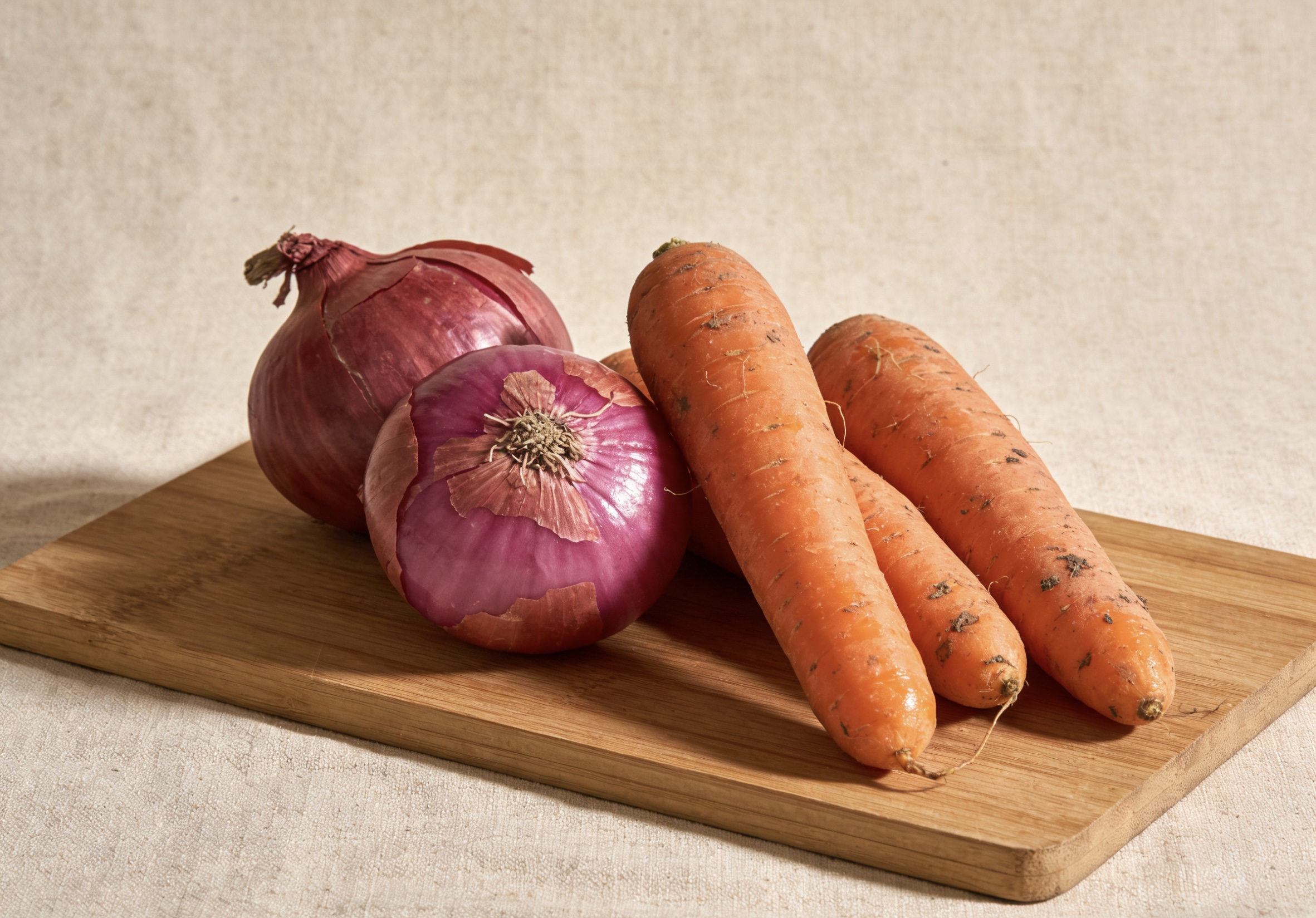
Health benefits of onions and carrots
This article details the health benefits of onions, known as the "Queen of Vegetables," in lowering blood pressure and cholesterol, and preventing cancer and other diseases, as well as the nutritional advantages of carrots, often called "little ginseng," which are rich in carotene. Mastering these everyday health tips will help men make informed food choices, and scientific health knowledge leads to a healthier diet.
2026-03-17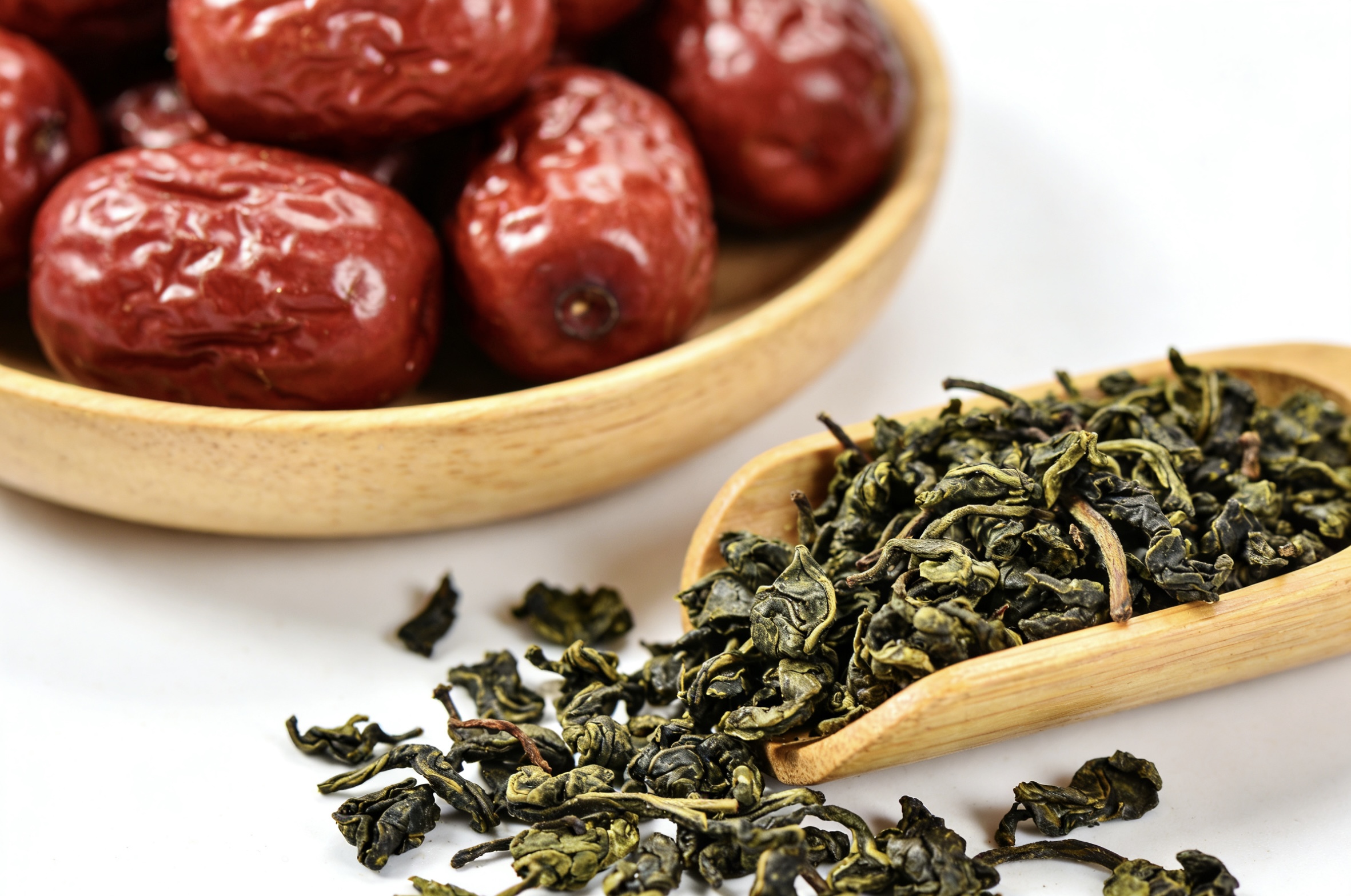
Jujubes and green tea: Two excellent health products and common health knowledge
This article details the health benefits of jujubes, including their ability to invigorate qi and blood, protect the heart, and fight cancer, as well as the scientific basis for the role of polyphenols in green tea in inhibiting esophageal cancer. Mastering these everyday health tips will help men make informed choices about drinks and foods. Practicing correct health knowledge will allow health to become a part of every day.
2026-03-17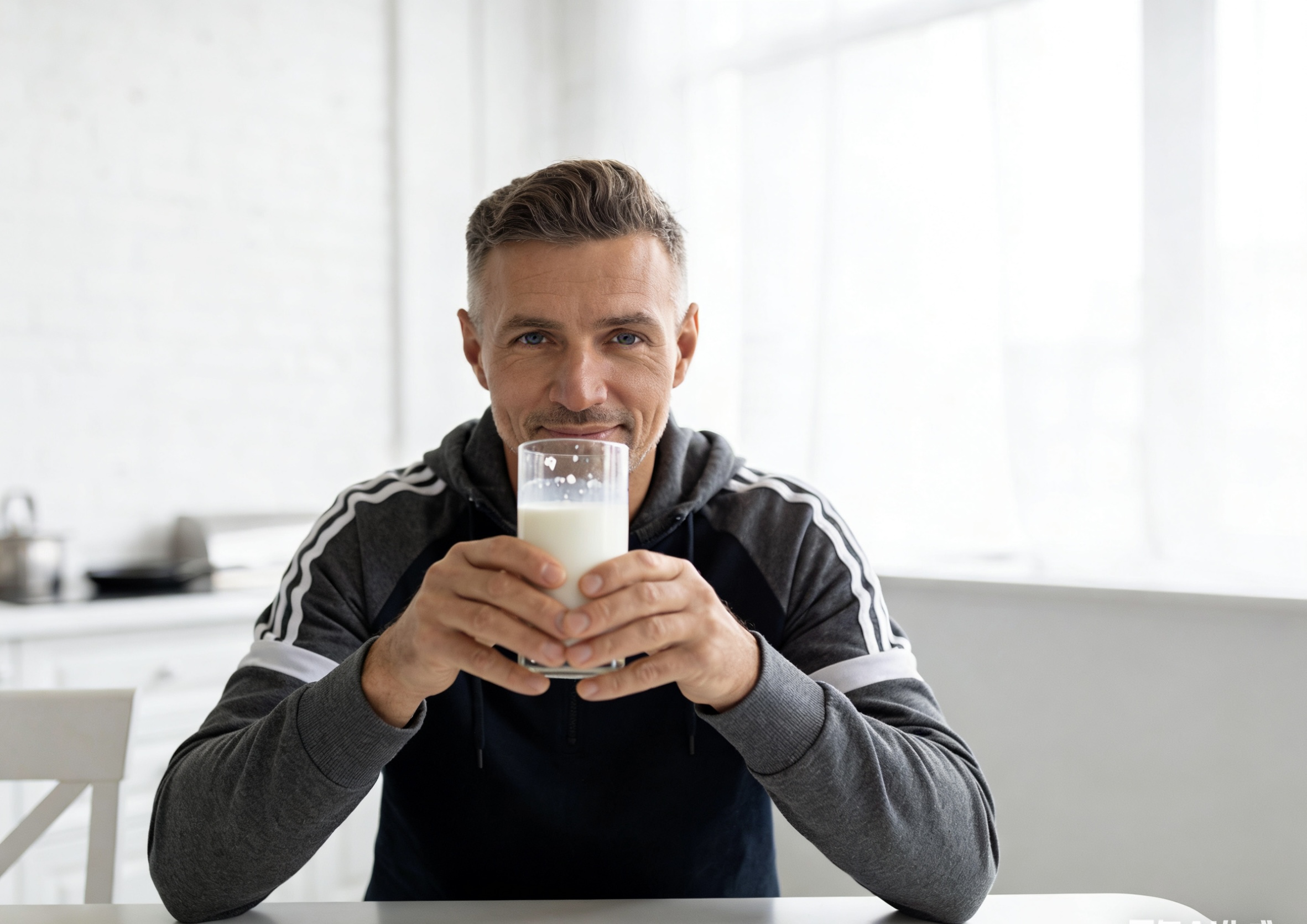
Health Guide to Drinking Milk Scientifically and Eating Apples Wisely
This article details the correct storage and consumption methods for milk, as well as the benefits of apples such as enhancing memory and relieving constipation and diarrhea. Mastering a scientific diet is crucial for daily health maintenance. These practical health tips will help you protect your health through your daily diet.
2026-03-18