
Scientific Dinner Eating Guide and Common Dietary Misconceptions
Eating Dinner Correctly
In today's highly competitive society, men often experience increased work pressure and tend to sleep in late, skipping breakfast and often opting for a quick, hasty lunch. Of the three meals a day, only dinner is eaten leisurely and in large quantities. However, this approach to dinner is very unscientific and poses hidden health risks.
So, how should one eat dinner scientifically?
Eat dinner early. Eating dinner early is a health-promoting strategy recommended by medical experts. Studies have shown that eating dinner early can significantly reduce the incidence of urinary tract stones. This is because the peak period for calcium excretion is usually 4-5 hours after a meal. If dinner is eaten too late, when this peak occurs, the person is already asleep, and urine remains in the ureters, bladder, and urethra, unable to be excreted promptly. This leads to a continuous increase in calcium in the urine, which easily deposits and forms small crystals. Over time, these crystals gradually enlarge and form stones. Therefore, eating dinner around 6 pm is more suitable.
Eat a light dinner. If there are no other activities in the evening, or if you eat late, eating too much at dinner can raise cholesterol levels, stimulating the liver to produce more low-density and very low-density lipoproteins, inducing arteriosclerosis. Long-term overeating at dinner repeatedly stimulates excessive insulin secretion, often causing premature depletion of pancreatic beta cells, thus laying the groundwork for diabetes.
Dinner should be vegetarian. In reality, most families have ample time to prepare dinner and eat a variety of foods, which is detrimental to health. Dinner should be predominantly vegetarian, focusing on carbohydrate-rich foods. Research shows that people who frequently eat meat at dinner have 2-3 times higher blood lipids than vegetarians, while carbohydrates can generate more serotonin in the body, exerting a calming and soothing effect, especially beneficial for those with insomnia.
Six Common Dietary Misconceptions
Eating fruit immediately after meals. Scientists have pointed out that fruit contains a large amount of monosaccharides, which, if blocked in the stomach by food, will putrefy and cause bloating and stomach discomfort. Therefore, it's best to eat fruit one hour before meals or two hours after meals.
The more seasonings, the better. According to a US medical study, natural seasonings such as pepper, cinnamon, cloves, and ginger have mutagenic and toxic properties. Long-term use of large amounts of seasonings in the diet may lead to cell abnormalities and cancer. Therefore, it's best to use as few seasonings as possible in your daily diet.
Eating more soy products is not always beneficial. Nutritionists believe that excessive intake of soy protein can inhibit iron absorption, leading to iron-deficiency anemia, manifesting as varying degrees of fatigue and drowsiness. Therefore, while soy products are nutritious, more is not always better; moderation is key.
Taking tonics when you have a cold is not advisable. Tonics can produce high levels of energy and heat in the body, which can raise body temperature and worsen the condition. Furthermore, tonics can promote bacterial growth and reproduction, leading to increased infection and the spread of inflammation.
Stir-fried poultry and livestock meat has many benefits. Many people enjoy stir-frying food quickly over high heat, believing it produces dishes with excellent color and flavor. However, stir-frying is actually an unhygienic cooking method. If the stir-frying time is too short, viruses and bacteria carried by poultry and livestock cannot be killed. Eating undercooked food greatly increases the risk of zoonotic diseases. Therefore, poultry and livestock meat should be thoroughly cooked before consumption.
Hot oil makes dishes more fragrant. However, if the oil temperature reaches above 200℃ when stir-frying, a gas called acrolein will be produced, which causes the oil to produce large amounts of carcinogenic peroxides. Therefore, it is best to use oil that is about 80% hot when stir-frying.

Key Nutrients and Brain Health Guide for Men
This article details the food sources and benefits of essential nutrients for men, such as chromium, magnesium, vitamins, and brain-boosting lipids, and emphasizes the special nutritional needs of those engaged in mental work. Scientific nutrient supplementation is fundamental to maintaining men's health; focusing on men's health should begin with understanding nutrition labels.
2026-02-28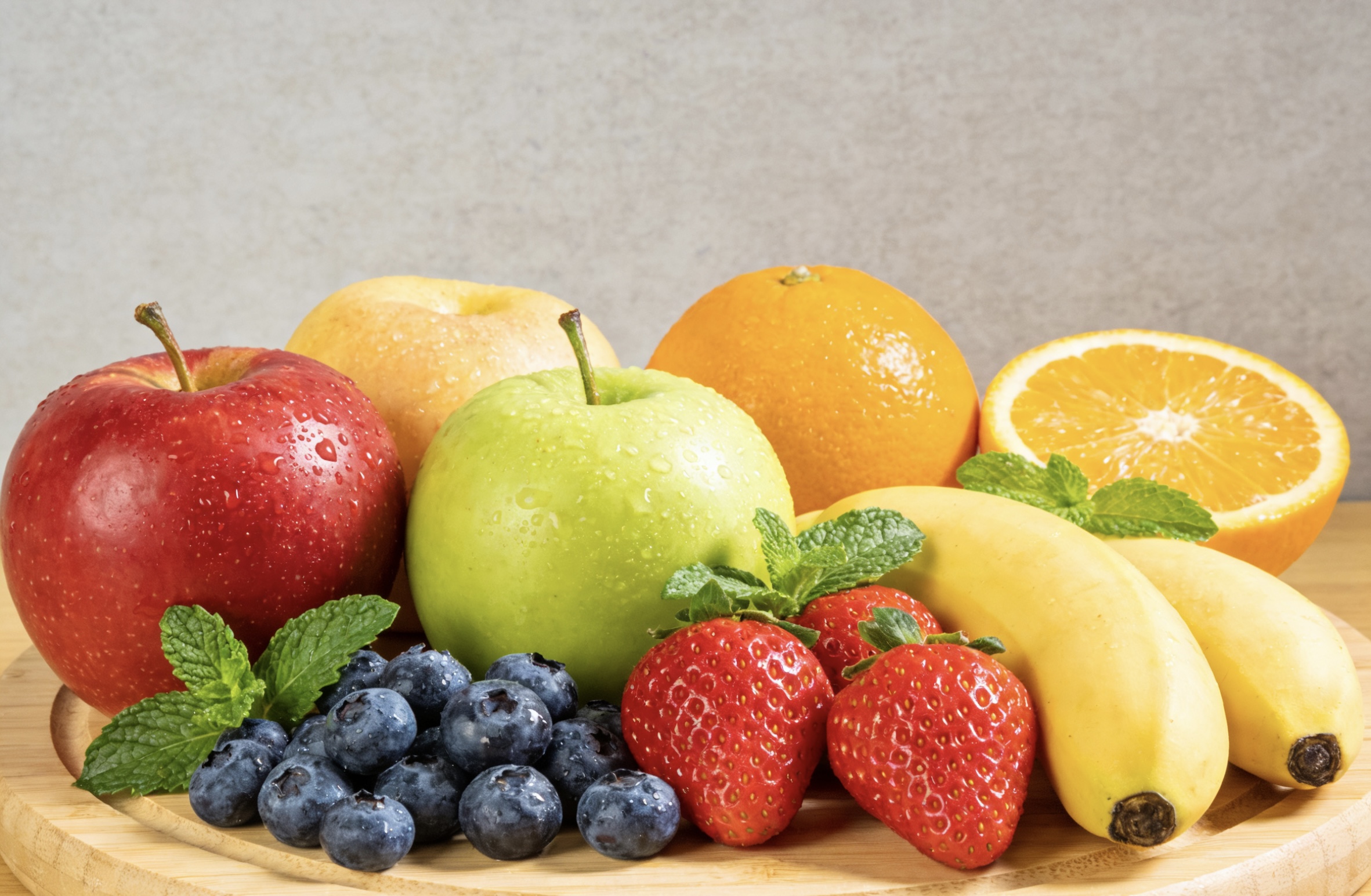
The impact of dietary restriction and fruit and vegetable intake on men's health
This article reveals that middle-aged and young men can effectively prevent prostatitis by quitting smoking and alcohol, and avoiding spicy foods. It also emphasizes the crucial role of sufficient daily fruit and vegetable intake in reducing stroke mortality. Focusing on men's health should start with the details of daily life and diet; scientific knowledge about men's health can improve quality of life.
2026-02-28
Be wary of unhealthy eating habits: Skipping breakfast and fatty liver.
This article warns of the dangers of skipping breakfast to hypoglycemia, gastrointestinal issues, and biliary problems, and details the causes of fatty liver and how to prevent and treat it through a balanced diet and weight control. Paying attention to healthy eating is fundamental to maintaining bodily functions, and scientific knowledge of healthy eating helps prevent many chronic diseases.
2026-02-28