
In-depth analysis of men's health: Strategies for improving sexual function and harmony with one's partner
Premature ejaculation
Premature ejaculation refers to the condition where a man ejaculates before or immediately upon penetration, followed by penile flaccidity, making intercourse impossible. In another type of premature ejaculation, the semen flows out rather than being expelled under pressure, resulting in less than ideal intercourse. It's true that female dissatisfaction doesn't always indicate male impotence (as we've discussed, some women don't experience pleasure under normal circumstances).
The causes of premature ejaculation are not well understood. In a state of heightened libido, ejaculation may not be contingent on intercourse. Factors such as a woman's appearance, physical contact with her, or certain memories can all contribute to ejaculatory dysfunction. However, those with chronic premature ejaculation share a common history, primarily characterized by rapid ejaculation from the very beginning of sexual activity. A typical history is that the first sexual encounter often occurred in an environment of fear of discovery and anxiety, resulting in a habit of rapid ejaculation. Even subsequent sexual activity in quiet, relaxed conditions does not change this established pattern of ejaculation. Therefore, premature ejaculation can be considered a primarily psychosomatic disorder. For example, some people have a masturbation habit from a young age, and due to fear of being discovered, they always rush through ejaculation, developing a habit of premature ejaculation. This can lead to premature ejaculation after marriage.
Mental fatigue can also cause premature ejaculation. Whether it's mental or physical labor, excessive exertion leading to extreme fatigue and insufficient energy weakens the control of the ejaculation center, causing premature ejaculation.
Nervous system diseases, such as neurasthenia syndrome, can also cause premature ejaculation. In patients with neurasthenia, the brain's excitation and inhibition functions are imbalanced, and the internal inhibitory function declines, weakening the control of the ejaculation center, thus leading to premature ejaculation.
If there is inflammation of the urethra, the inflammation stimulates the nerves, increasing the sensitivity of the urethra. Once sexually stimulated, ejaculation is easily triggered, resulting in premature ejaculation.
Some cases of premature ejaculation are due to disharmony in the marital relationship. For example, the husband may harbor latent hostility, resentment, or anger towards his wife, or he may have excessive fear or worship of her, harboring feelings of inferiority and desperately trying to "perform well" in front of her, which often backfires.
Organic diseases, such as a short frenulum, prostate problems, urethral disorders, or spinal nerve disorders, can also cause premature ejaculation, but these are less common.
Anxiety and fear about premature ejaculation itself should be avoided, as this will only worsen the condition. Due to ignorance and misunderstandings about sex, people often worry about being "physically weak" or "neurasthenic," constantly fearing premature ejaculation. In fact, fear is worse than no fear; the more you fear, the more likely you are to experience premature ejaculation. This cycle of fear can turn occasional premature ejaculation into frequent occurrences.
Therefore, the most important way to address premature ejaculation is to resolve mental tension and eliminate psychological fear. It's important to have a clear understanding that experiencing premature ejaculation once, twice, or even a few times is "normal" and not a disease. This will eliminate unnecessary anxiety and may help prevent premature ejaculation.
Furthermore, avoid sexual activity when physically fatigued, as this can easily lead to sexual dysfunction.
Those who have already been diagnosed with premature ejaculation should ideally abstain from sexual activity for a period to avoid direct sexual stimulation. At the same time, maintain a regular sexual routine, ensure sufficient sleep, and appropriately strengthen nutrition. Participate in some recreational activities to maintain a cheerful mood and improve physical fitness. When the body recovers well, sexual function will return to normal.
Using condoms during intercourse is also a way to prevent premature ejaculation. Condoms can reduce male sensitivity to arousal, thereby prolonging the duration of intercourse.
An intermittent approach can also be adopted, that is, during intercourse, when there is just a slight premonition of ejaculation, temporarily stop intercourse, and continue after the premonition of ejaculation disappears. This can also help prevent premature ejaculation.
Other methods include the woman's "squeezing" of the penis; there are many, and one should seek a suitable solution in real life.
Dyspareunia (Painful Intercourse)
Dyspareunia is a common sexual dysfunction. Although the incidence of dyspareunia in men is significantly lower than in women, it is still frequently seen clinically. However, some men are reluctant to seek medical help or it is not taken seriously. Male dyspareunia mainly manifests as pain in the penis, urethra, perineum, scrotum, and lower abdomen. It often occurs during sexual intercourse but can persist for a period afterward. While male dyspareunia is not a serious illness, if the cause is not identified and appropriate measures are not taken in time, it can affect a man's physical and mental health and the harmony of his marital sex life. Therefore, it should be taken seriously.
Common adverse factors leading to male dyspareunia include:
1. Inflammation of the urinary and reproductive system, such as urethritis, prostatitis, and seminal vesiculitis. The main pathogens causing urethritis are Escherichia coli, Streptococcus, and Staphylococcus. Patients often experience symptoms such as urinary urgency, frequency, and pain. Prostatitis is an extremely common disease in adult men, divided into acute and chronic types, with the chronic type being more prevalent. It often presents with discomfort and pain in the lower back, lower abdomen, perineum, spermatic cord, and testicles, and may be accompanied by mild urinary frequency, urethral itching, and increased urethral discharge. Seminal vesiculitis often occurs concurrently with prostatitis, and sometimes hemospermia may occur. These patients often experience painful intercourse due to the inflammation.
2. Phimosis and paraphimosis. This is also one of the contributing factors to painful intercourse in men. Phimosis refers to a condition where the foreskin covers the urethral opening but can be retracted to expose the glans penis. Paraphimosis occurs when the foreskin is too long or adhered to the glans penis, preventing the foreskin from being retracted to expose the urethral opening or glans penis. Because the skin of the penis is thin and richly supplied with blood vessels and nerves, it is highly sensitive to pain. During sexual intercourse, the narrow foreskin opening compresses the glans penis, often irritating nerve endings and causing pain. If the foreskin is too long, excessive smegma can accumulate in the coronal sulcus of the glans, irritating the penile skin and causing allergies or inflammation, leading to painful intercourse.
3. Penile deformities. Penile deformities are also a factor contributing to painful intercourse. For example, ulcers or erosions in the penile sulcus and neck can lead to scar contraction after healing. During intercourse, penile erection due to blood engorgement can create an arched shape of the penis, causing traction pain. In some individuals, due to overexertion during sexual activity, accidents may occur when changing positions, resulting in penile fracture. Post-operative penile deformity can also cause pain during intercourse.
4. Allergy to condoms. Some men experience allergic reactions to condoms, often leading to dyspareunia (painful intercourse). These men often have allergies or are allergic to rubber products. After using a condom, the glans penis becomes congested, red, and swollen; in severe cases, ulcers, erosions, and fluid exudation may occur, accompanied by significant itching and stinging. This presents as typical contact dermatitis.
5. Irritation from female vaginal secretions. For example, increased vaginal discharge in women can alter the vaginal pH, irritating the penis and causing eczema or dermatitis, which can also cause dyspareunia.
6. Female contraceptive devices. If a female contraceptive device becomes displaced inside the vagina, especially the tail string of an IUD, it can sometimes cause dyspareunia in men if it touches the penis.
7. Excessive sexual activity in men. Too frequent or excessive sexual activity can cause fatigue of the sexual organs, leading to dyspareunia, which is a common contributing factor.
In summary, there are many contributing factors to male dyspareunia (painful intercourse), and each case should be treated differently. For example, if it's due to inflammation of the urinary and reproductive system, anti-inflammatory treatment should be given; if it's caused by allergies, antihistamines can be used as appropriate; if it's caused by phimosis or paraphimosis, surgical treatment should be performed as soon as possible; if there's an allergy to condoms, oral contraceptives or an IUD can be used; if it's caused by excessive vaginal discharge in the female partner, the wife should see a gynecologist for examination and treatment. Furthermore, to prevent male dyspareunia, men should moderate their sexual activity and avoid excessive indulgence. During intercourse, movements should not be rough, and thrusting should not be too rapid; if a change of position is necessary, the penis should be withdrawn. For the female partner, close cooperation and harmony are essential. If dyspareunia occurs, intercourse should be stopped, the cause identified, and appropriate treatment administered.
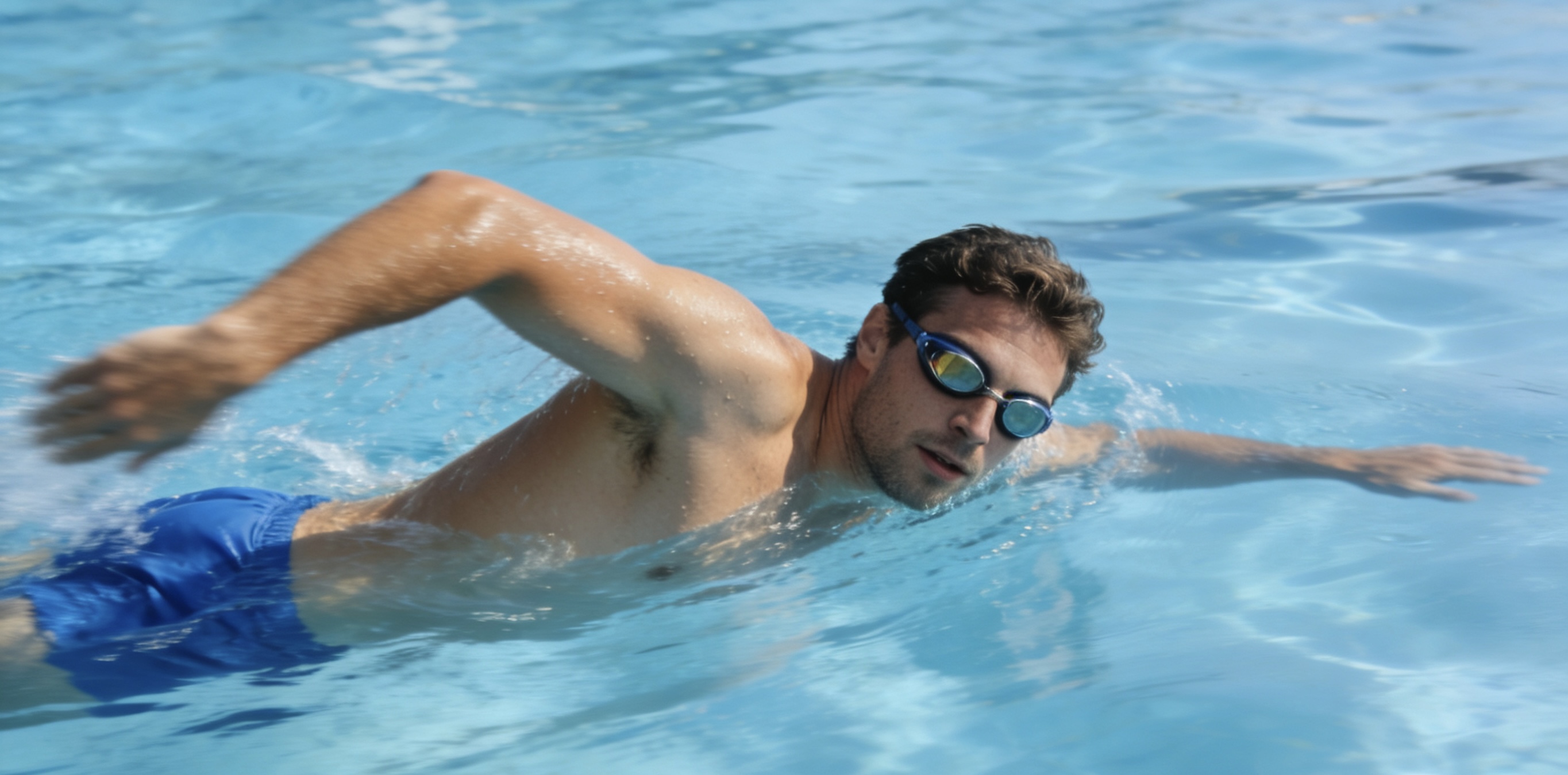
Health Tips for Safe Swimming and Scientific Winter Swimming
This article details five key points for preventing drowning and cramps while swimming in summer, and introduces the benefits of winter swimming in boosting immunity and slowing aging. Mastering scientific health knowledge can help men avoid risks and strengthen their bodies during water sports. These practical health tips will allow you to swim worry-free in all four seasons.
2026-03-19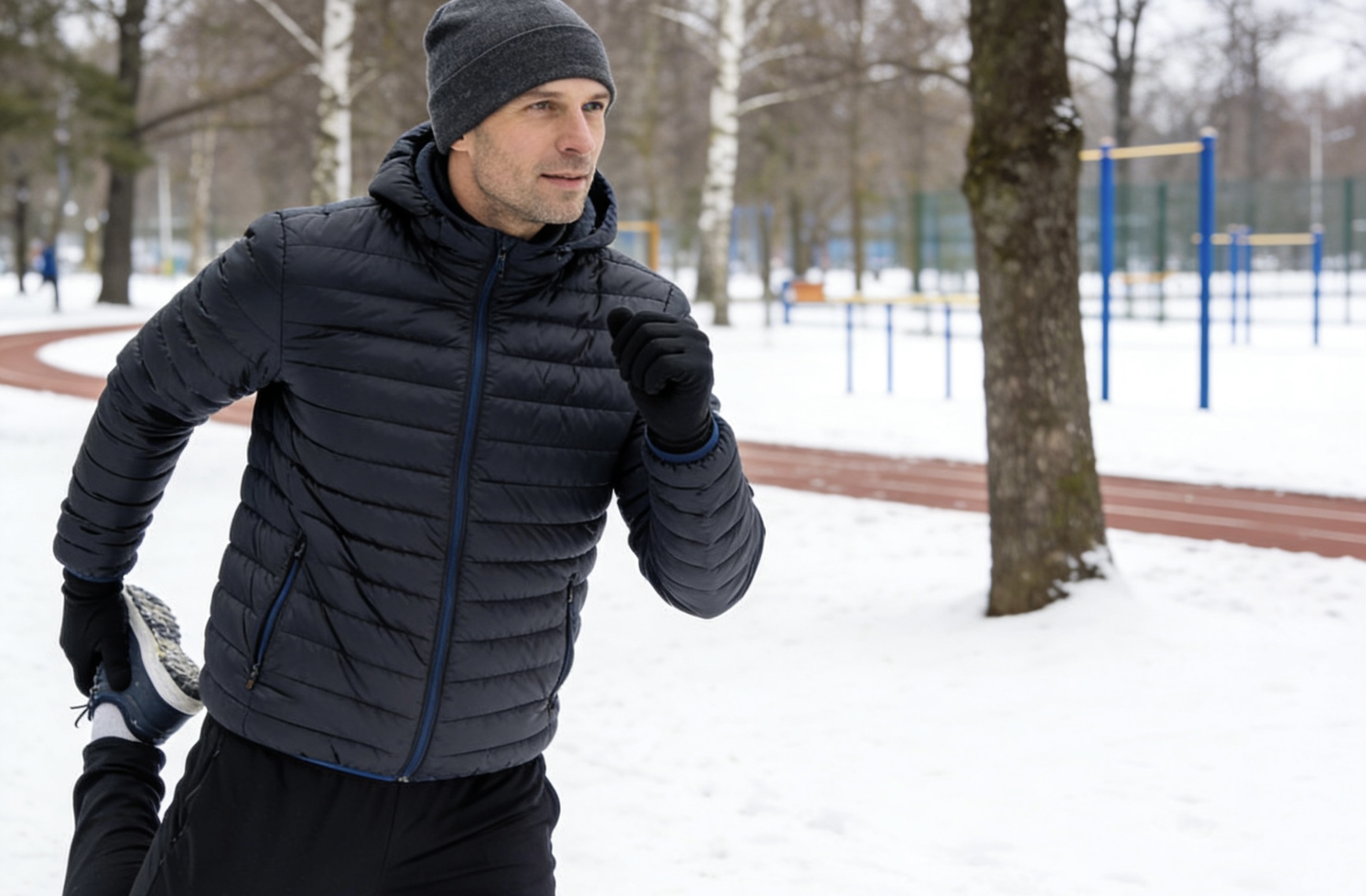
Health Tips for Cold Resistance Training and Winter Exercises
This article analyzes how cold acclimatization training starting in autumn can improve the body's temperature regulation ability, and details the locations, cold protection, and warm-up activities to consider when exercising in winter. Mastering scientific health knowledge can help men safely get through the winter and improve their physical fitness. These practical health tips will make your winter exercise healthier and more effective.
2026-03-20
Health Tips for Winter Long-Distance Running: Protective Measures and Good Posture
This article details the essential warm-up techniques and the use of both mouth and nose for protection during winter long-distance running, and introduces the positive effects of maintaining good posture on fat burning and disease prevention. Mastering scientific health knowledge can help men avoid risks and cultivate an upright physique during exercise. These practical health tips will make your winter workouts healthier and more effective.
2026-03-20