
Health Tips for Winter Long-Distance Running: Protective Measures and Good Posture
Winter Long-Distance Running Safety Tips
Long-distance running in winter not only enhances physical fitness and cold resistance but also cultivates a strong will. However, due to the low winter temperatures, blood vessels on the skin constrict, blood flow slows, muscle viscosity increases, and ligament elasticity and joint flexibility decrease. Therefore, male long-distance runners should pay attention to the following points when training in winter:
**Warm-up:** Before running, it's best to drink a glass of warm water to replenish fluids and increase blood flow. Before going out, rub your hands and face to increase blood circulation in these areas. Warm up your limbs, chest, back, abdomen, waist, and ankles thoroughly by doing exercises or jogging lightly. Adjust clothing according to temperature changes and choose soft, comfortable running shoes.
**Be mindful of traffic safety when running on roads.**
** During long-distance running, maintain coordinated and stable limb movements, landing on the forefoot or the outer side of the forefoot, then transitioning to landing on the entire foot. This reduces knee joint injury, conserves energy, and increases speed.
Use both mouth and nose. While nasal breathing helps maintain air temperature and cleanliness, it may not be sufficient for deep and rapid breathing. In this case, you need to assist breathing through your mouth. The scientific method is to keep your mouth partially open, with the tip of your tongue close to the roof of your mouth to prevent your throat from becoming too dry. This also reduces the risk of sore throat, chest pain, or abdominal pain caused by inhaling large amounts of cold air.
Maintain moderate exercise intensity. If you experience fatigue, loss of appetite, or aversion to exercise, except in certain special circumstances, it is likely due to excessive exercise. In this case, reduce the distance you run. Remember to cool down properly after a long run. Soak your feet in hot water before bed.
Maintaining Good Posture
Good posture not only gives men a more upright and impressive appearance, but it also helps burn fat.
It is understood that obesity is becoming increasingly serious in my country, severely impacting people's health. Men often start gaining weight around the abdomen. Initially, these subtle changes are only noticeable to themselves, but later they become a common feature of adult men. Medical experts believe this is not necessarily a good thing, because "the longer the belt, the shorter the lifespan." Obese individuals are prone to chronic diseases such as hypertension, coronary heart disease, and diabetes. Medical statistics show that obese people are 5 times more likely to suffer from coronary heart disease, 8 times more likely to suffer from hypertension, and 7 times more likely to suffer from diabetes than people of normal weight. The average lifespan of obese people is also significantly shorter than that of people of normal weight. Good posture is actually a form of exercise for weight loss. A book once stated that a smile uses more than 30 facial muscles, while a hearty laugh only requires a dozen or so. The human body is amazing, often demonstrating its power in such subtle ways. It's not only strenuous exercise that burns a lot of calories.
The most common poor posture among men is hunching over, protruding belly, slouching, and craning their necks forward. Affected body parts include: shoulders (unnaturally hunched forward); neck (increased stress); upper back (ligament strain); chest compression (impaired lung expansion); and lumbar spine (long-term stress on ligaments, potentially leading to inflammation or sciatica). Prolonged poor posture can even lead to neck and shoulder pain, cervical spondylosis, and thoracic spine misalignment. Of all the corrective measures, the simplest is to stand with your back against a wall, trying to make every inch of your body, including your lower back and heels, touch the wall. Hold this position for ten minutes a day. If you can persist, you'll soon be able to present a better posture to others.
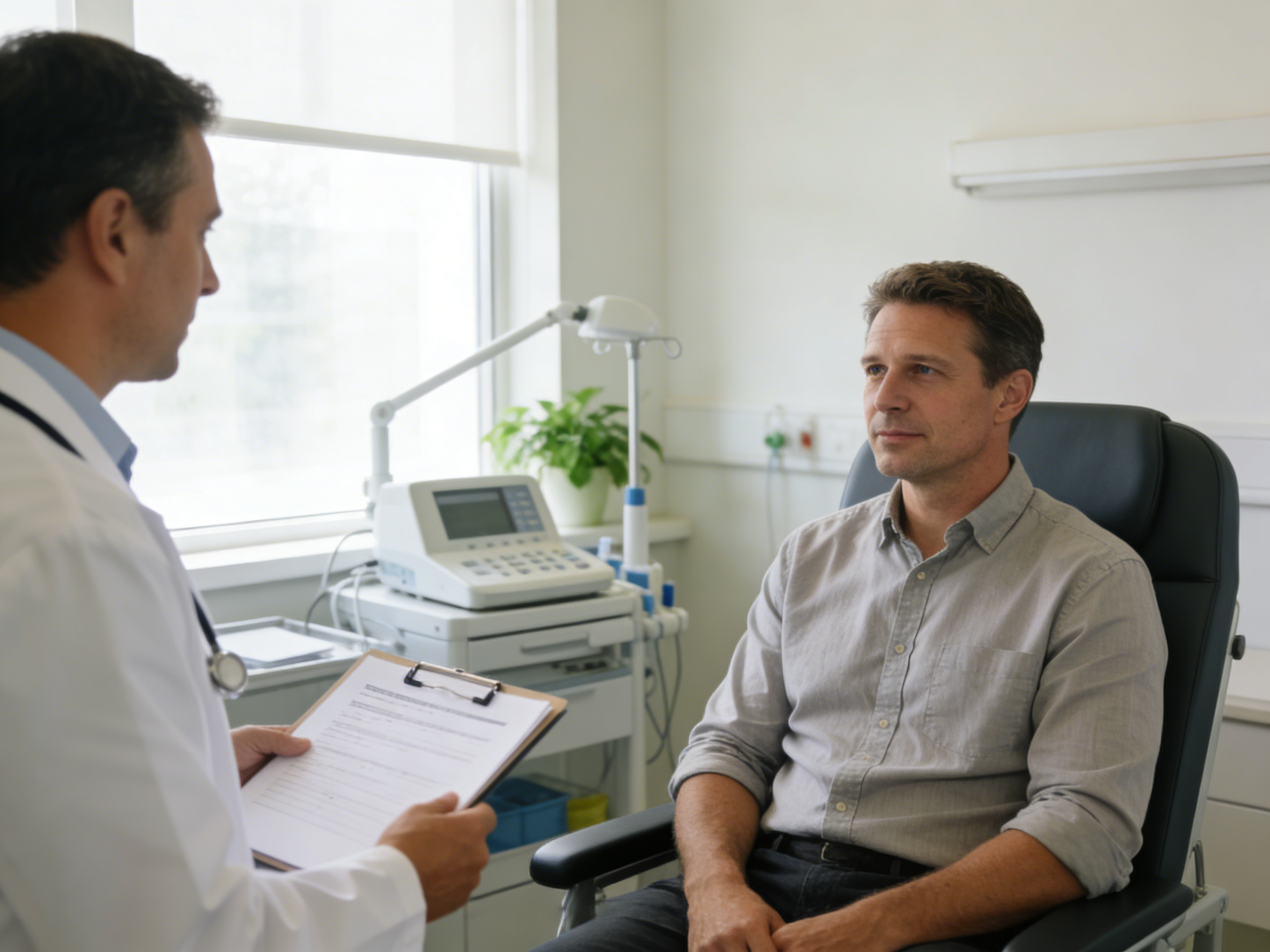
Men's Health: Sexual Life Guidance for Patients with Coronary Heart Disease and Diabetes—Safety Principles and Rehabilitation Suggestions
This article on men's health provides an in-depth analysis of the physiological and psychological impacts of coronary heart disease and diabetes on sexual function. It elucidates the scientific basis for "impotence" as a precursor to coronary heart disease, explores the intensity and positional considerations for sexual activity after myocardial infarction recovery, and offers treatment strategies for neurovascular complications caused by diabetes, helping patients with chronic diseases regain a healthy and harmonious life.
2026-03-16
Men's Health Guide: In-depth Analysis of the Causes of Erectile Dysfunction
This article on men's health systematically introduces the classification of erectile dysfunction, covering multiple causes including vascular, neurological, and psychological factors. Through scientific men's health advice, it helps readers distinguish between temporary fatigue and pathological disorders, and provides targeted clinical treatment plans and psychological rehabilitation guidance.
2026-03-16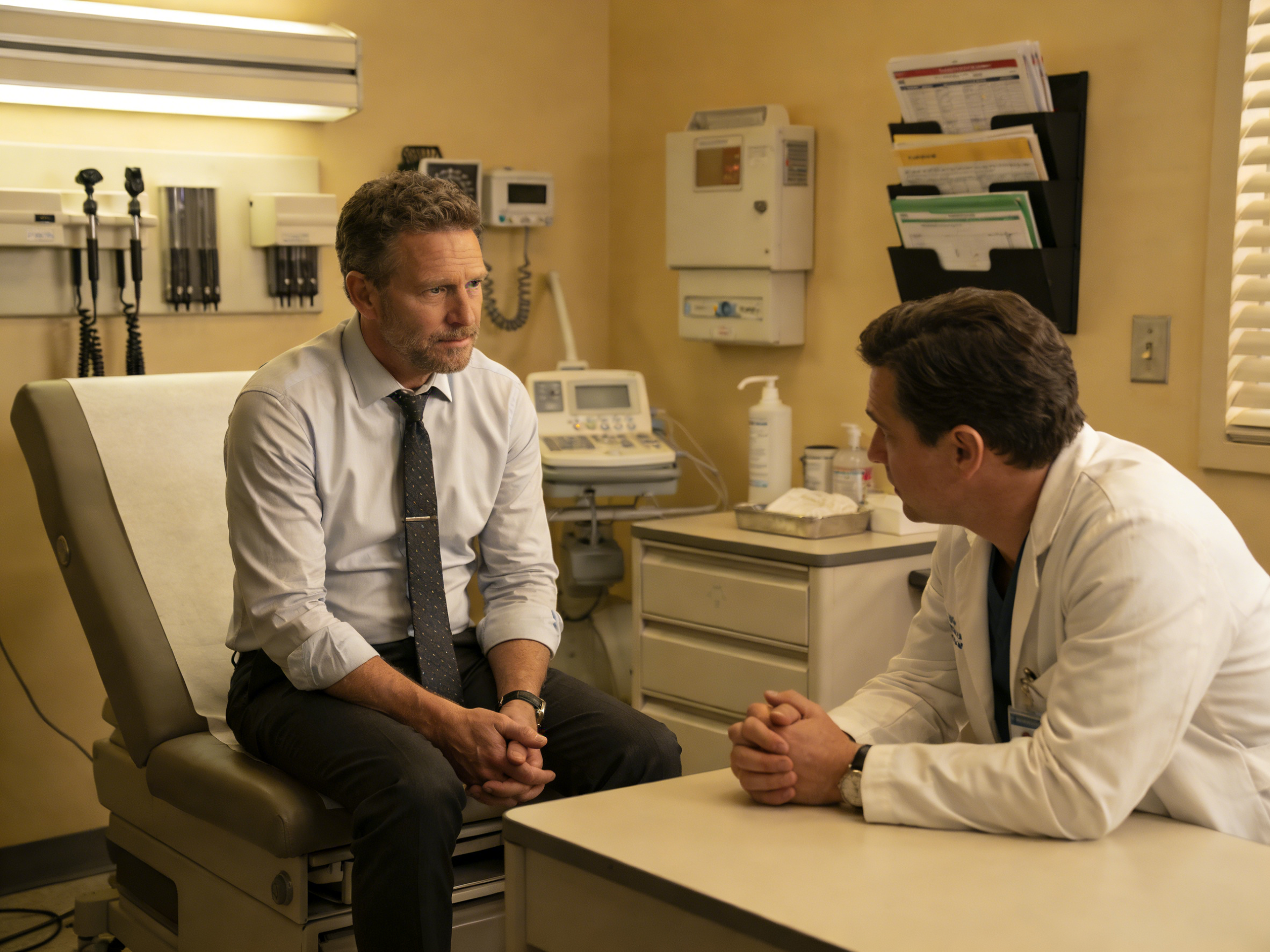
Men's Health Guide: Clinical Diagnostic Criteria and Multiple Treatment Options for Erectile Dysfunction (ED)
This article on men's health systematically outlines the clinical pathway for erectile dysfunction, including ten core diagnostic techniques such as NPT monitoring and angiography. From a men's health perspective, it analyzes comprehensive treatment strategies ranging from psychological counseling and medication to prosthesis surgery, helping you scientifically address your physiological challenges and rebuild a healthy life.
2026-03-17