
Foods that promote bowel movement and detoxification, and the detoxifying effects of pumpkin.
Foods that promote intestinal cleansing and detoxification
The intestines can quickly eliminate toxins, but if digestion is poor, toxins can remain in the intestines and be reabsorbed, causing serious harm to health. Many foods, such as black fungus, konjac, kelp, pig's blood, apples, strawberries, brown rice, and honey, can help the digestive system detoxify.
Black Fungus: Black fungus contains plant colloids with strong adsorption properties, which can absorb impurities remaining in the human digestive system, cleanse the blood, and effectively remove pollutants from the body with regular consumption.
Konjac: Known as "Snake Six Valley" in Traditional Chinese Medicine, konjac is a well-known "gastrointestinal cleanser" and "blood purifier," capable of removing waste from the intestinal wall.
Kelp: The alginic acid in kelp can slow down the absorption of radioactive strontium in the intestines, allowing strontium to be excreted from the body, thus having a preventive effect against leukemia.
Pig's Blood Pig's blood plasma proteins, after being broken down by enzymes in digestive juices, produce a detoxifying and bowel-regulating substance. This substance reacts with dust and metal particles that have entered the body, transforming them into substances that are not easily absorbed and are directly excreted, thus having the effects of dust removal, intestinal cleansing, and bowel movement promotion.
Apples. The galacturonic acid in apples helps with detoxification, while pectin prevents food from rotting in the intestines.
Strawberries. Containing various organic acids, pectin, and minerals, strawberries can cleanse the stomach and intestines and strengthen the liver.
Coarse rice. It acts as a "plumber" for the large intestine, absorbing many accumulated substances as it passes through, and finally eliminating them from the body.
Honey. Honey has been a top choice for detoxification and beauty since ancient times, containing various essential amino acids and vitamins. Regular consumption of honey, while eliminating toxins, also has certain effects on preventing and treating cardiovascular diseases and neurasthenia.
A good food choice—Pumpkin
Pumpkin is one of the main vegetables in summer and autumn. Pumpkin has a wide range of uses and high nutritional value, making it an excellent food choice. Traditional Chinese medicine believes that pumpkin is sweet and warm in nature, possessing the functions of tonifying the middle energizer, replenishing qi, resolving phlegm, and relieving cough. It can treat qi deficiency and fatigue, intercostal neuralgia, malaria, dysentery, and can also expel roundworms and treat burns. Its seeds—pumpkin seeds—can be eaten or pressed for oil. Modern medical research shows that pumpkin has significant effects in preventing and treating diabetes, lowering cholesterol, and removing heavy metals.
Pumpkin has a relatively complete range of nutrients and high nutritional value.
Its nutritional value is mainly reflected in its rich content of vitamins, especially carotene, vitamin B₁, vitamin B₂, and vitamin C; in addition, it also contains soluble fiber, lutein, and elements such as phosphorus, potassium, calcium, magnesium, zinc, and silicon. Young pumpkins are richer in vitamin C and glucose than mature pumpkins, while mature pumpkins are higher in calcium, iron, and carotene. These substances play an important role in maintaining the body's physiological functions.
Modern nutritional and medical research has shown that consuming more pumpkin can effectively prevent and treat hypertension, diabetes, and liver disease, and improve the body's immunity.
Recently, it has been discovered that pumpkin also contains a component called cobalt, which has a blood-tonifying effect after consumption.
Pumpkin contains mannitol, which has a laxative effect, reducing the harm of toxins in feces to the body and helping to prevent colon cancer. Pumpkin contains a large amount of linoleic acid, palmitic acid, stearic acid, and other glyceric acids, all of which are high-quality oils and can help prevent stroke. In recent years, further research on vegetables by experts at home and abroad has revealed that pumpkin is not only rich in nutrients but also has the effects of enhancing immunity, preventing arteriosclerosis, preventing cancer, beautifying the skin, and aiding weight loss.
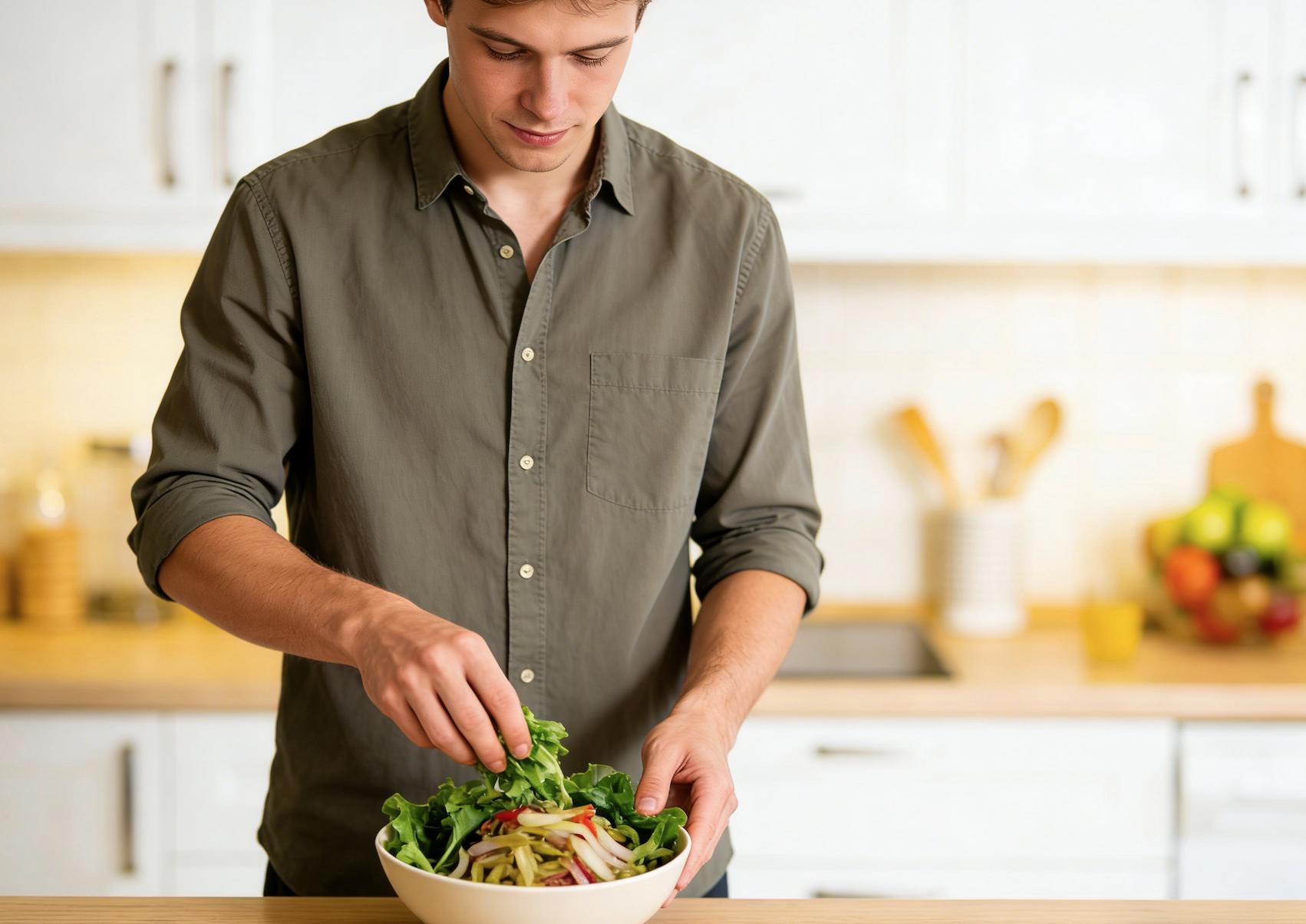
Key Nutrients and Brain Health Guide for Men
This article details the food sources and benefits of essential nutrients for men, such as chromium, magnesium, vitamins, and brain-boosting lipids, and emphasizes the special nutritional needs of those engaged in mental work. Scientific nutrient supplementation is fundamental to maintaining men's health; focusing on men's health should begin with understanding nutrition labels.
2026-02-28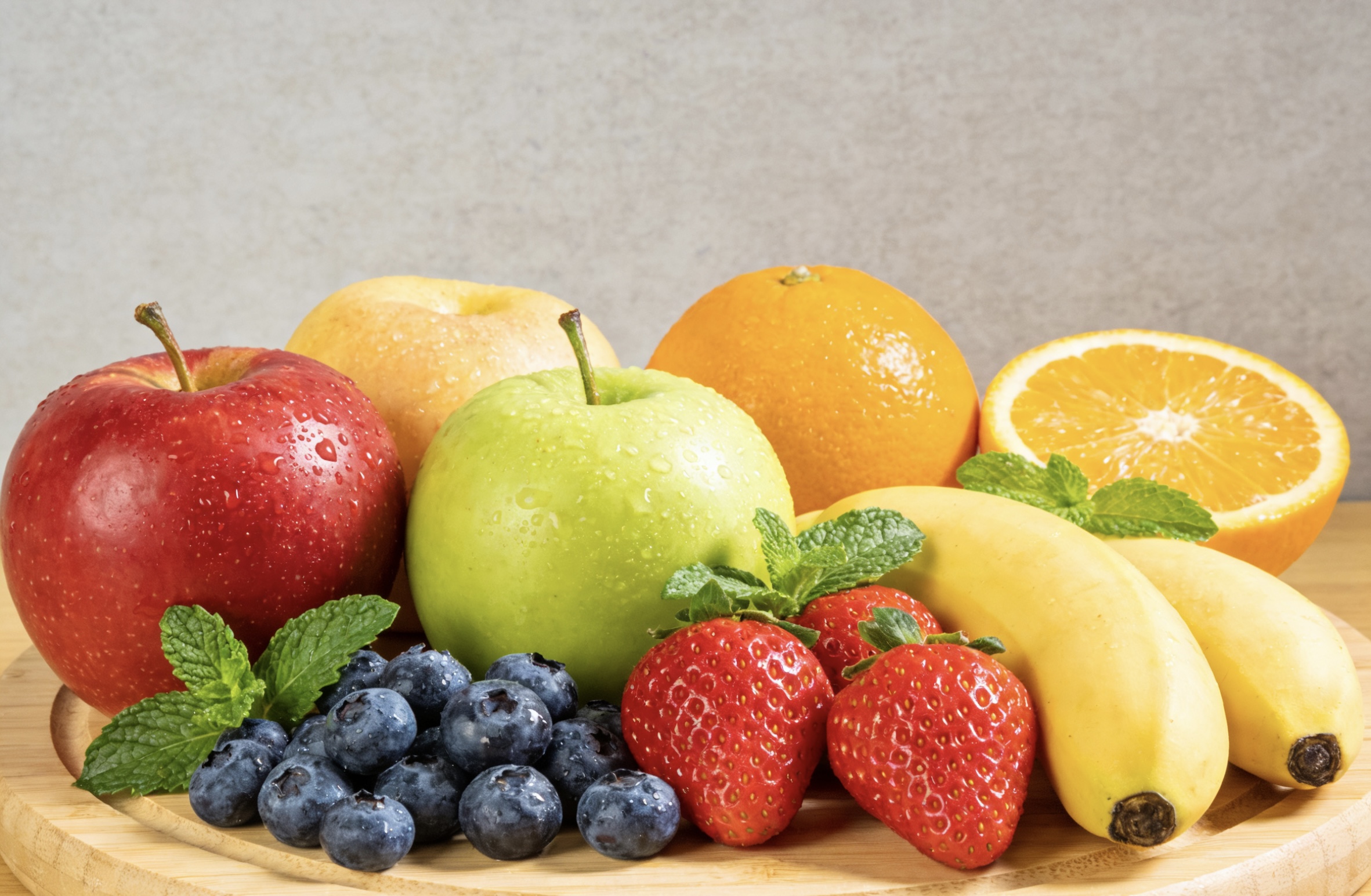
The impact of dietary restriction and fruit and vegetable intake on men's health
This article reveals that middle-aged and young men can effectively prevent prostatitis by quitting smoking and alcohol, and avoiding spicy foods. It also emphasizes the crucial role of sufficient daily fruit and vegetable intake in reducing stroke mortality. Focusing on men's health should start with the details of daily life and diet; scientific knowledge about men's health can improve quality of life.
2026-02-28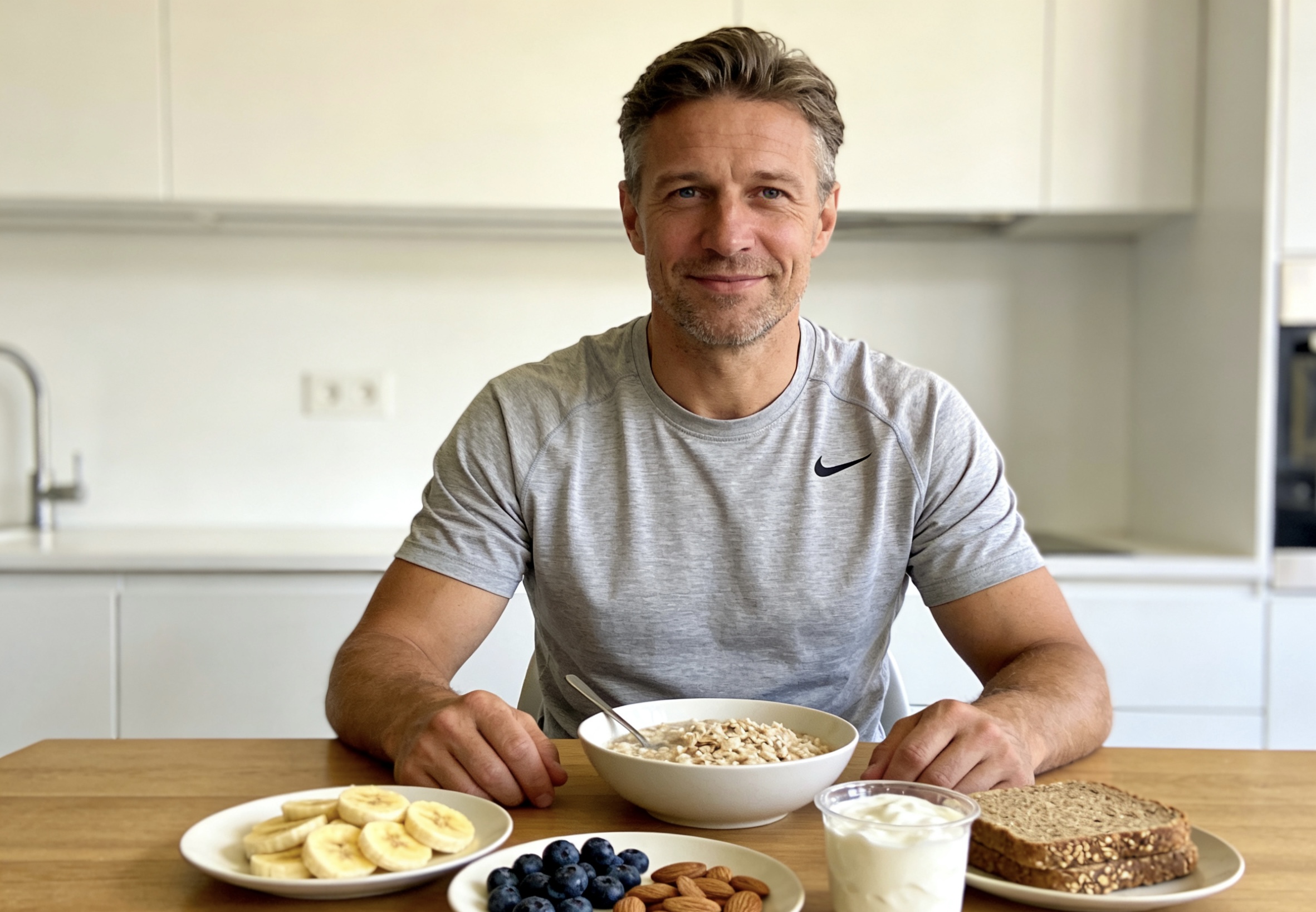
Be wary of unhealthy eating habits: Skipping breakfast and fatty liver.
This article warns of the dangers of skipping breakfast to hypoglycemia, gastrointestinal issues, and biliary problems, and details the causes of fatty liver and how to prevent and treat it through a balanced diet and weight control. Paying attention to healthy eating is fundamental to maintaining bodily functions, and scientific knowledge of healthy eating helps prevent many chronic diseases.
2026-02-28