
Contraindications and safe medication practices regarding dosage and timing
Do You Know These 10 Medication Taboos?
Simply taking medication with meals. "Three times a day" means taking medication every 8 hours. Taking all three doses during the day can lead to excessively high blood drug concentrations during the day, while therapeutic concentrations are insufficient at night.
Taking medication while lying down. This can cause the medication to adhere to the esophageal wall, affecting efficacy and potentially irritating the esophagus, causing coughing or local inflammation; in severe cases, it can even damage the esophageal wall, increasing the risk of esophageal cancer.
Swallowing medication dry. This can damage the esophagus, and without enough water to help dissolve, some medications can easily form stones in the body.
Breaking or dissolving medication in water before taking it. This not only affects efficacy but also increases adverse reactions. However, this is different when taking traditional Chinese medicine. Therefore, always consult a doctor before taking any medication.
Taking medication with beverages. The correct method is to take medication with lukewarm water, as many beverages can interact with medications, affecting efficacy and even causing danger.
Drinking medication directly from the bottle opening. This is commonly seen with syrups or compound preparations. On the one hand, it easily contaminates the medication, accelerating its spoilage; on the other hand, it makes it difficult to accurately control the dosage, resulting in either insufficient efficacy or overdose and increased side effects.
Taking multiple medications simultaneously. Drug interactions are generally difficult to avoid and can even cause unexpected problems.
Drinking too much water. This dilutes stomach acid, hindering the dissolution and absorption of medications.
Exercising immediately after taking medication. This leads to insufficient blood supply to the gastrointestinal tract and other organs, naturally reducing the effectiveness of drug absorption.
Ignoring dietary restrictions while taking medication. An inappropriate diet during medication use can reduce the efficacy of the medication, and in severe cases, may even be life-threatening.
The timing of medication administration is crucial.
Patients often say, "I've been hospitalized for several days, and they haven't given me any medication yet; they just do tests every day." Others say, "I've been to several hospitals, receiving injections and oral medication for a month, and my condition hasn't improved." These are all true, and the timing of medication administration is a key issue.
Regarding the former, doctors, out of caution, refraining from medication before a clear diagnosis is a scientific, prudent, and responsible approach. While indiscriminate medication may increase hospital revenue, it is detrimental to patients, increasing their financial burden and potentially leading to iatrogenic or drug-induced illnesses. Furthermore, medication can sometimes interfere with laboratory tests, resulting in inaccurate values. Therefore, refraining from medication unless there are special circumstances is not a bad thing when the diagnosis is unclear, and patients should understand this.
Regarding the latter, this is a common phenomenon. Treatment involves addressing both the symptoms and the underlying cause. Treating the symptoms without understanding the cause is often misguided, masking symptoms and hindering diagnosis. Of course, other reasons exist: the diagnosis may seem correct initially, and the medication may be effective, but the illness may recur shortly after discharge. Only after careful and repeated examinations is it discovered that the initial diagnosis was incomplete, the primary cause remained, and the treatment effect was naturally not consolidated. Therefore, accurate diagnosis and necessary examinations are essential.
Most people seem to believe that hospitalization for illness means injections and medication, and that the medication must be effective and cure the disease instantly. However, this is often not the case. Medication is a double-edged sword, with both advantages and disadvantages. In most cases, the advantages outweigh the disadvantages, but there are also times when the disadvantages outweigh the advantages. With the advancement of science and technology, people's understanding of the mechanisms of drug action is constantly improving. At the same time, we are also discovering that adverse drug reactions are increasing daily, even if they are sometimes mild and previously unrecognized. As patients, we should enhance our understanding of drug-induced diseases and "drug harm," and understand the principle that "sometimes not taking medication is better than taking medication; slow administration of medication is better than rapid administration."
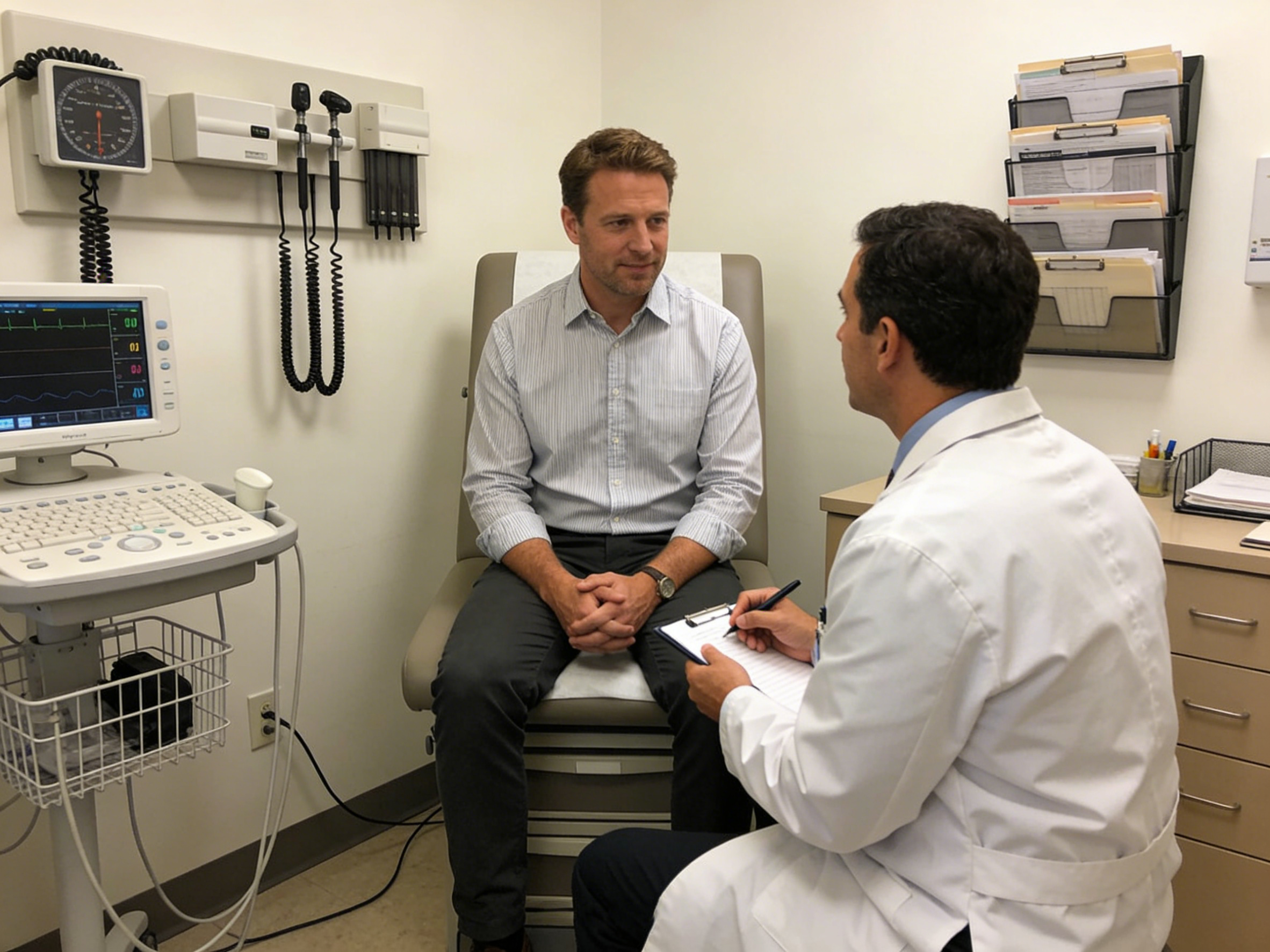
Analysis of the causes of hematospermia and guidelines for the emergency treatment of priapism.
This article provides an in-depth analysis of the clinical significance of gross and microscopic hematospermia, revealing common causes such as seminal vesiculitis. For men's health, it offers a detailed explanation of the neurological and hematologic causes of priapism and provides emergency treatment options ranging from non-surgical cold compresses to surgical shunt procedures, helping you scientifically identify reproductive system warning signs and protect men's health.
2026-03-28Guide to the Prevention and Treatment of Balanitis, Essential Reading for Men's Health
This article introduces the causes, symptoms, and prevention methods of balanitis. Paying attention to men's health, from daily hygiene to standardized treatment, helps you maintain good men's health and prevent recurrence.
2026-03-31Prevention and treatment of scrotal eczema and orchitis: essential reading for men's health.
This article details the causes, symptoms, and prevention of scrotal eczema and orchitis. Focusing on men's health, from daily care to standardized treatment, this article provides scientific guidance for your male well-being.
2026-03-31