
Analyzing Masters and Johnson's sexual response cycles to scientifically improve men's quality of life.
The Sexual Response Cycle
The sexual response is a continuous process. Dividing it into several stages is merely for ease of observation and research. Due to different starting points, the methods of division vary.
Ancient Greek physicians divided the sexual response cycle into 12 stages. In the 20th century, British sex psychologist Ellis divided it into two stages: the first stage is the "swelling phase," referring to the swelling of blood vessels in the penis and vagina during sexual arousal; the second stage is the "resolution phase," the physiological and psychological relaxation phase after orgasm. The renowned American sex therapist Kaplan also divided the sexual response period into two stages: the first stage, genital vascular congestion; the second stage, the muscle contraction reflex of orgasm. In 1979, Kaplan further modified it into three stages: libido, arousal, and orgasm. Thus, libido is considered a stage of the sexual response. Libido is a psychological and physiological phenomenon, through which we can gain a more comprehensive understanding of human sexual behavior. The advantage of this classification is that it clearly distinguishes sexual dysfunctions and is easy to understand; its disadvantage is that the classification is too simplistic and general, failing to explain in detail the physiological and psychological changes at each stage of sexual response.
In their 1966 book, 《Human Sexual Response》, American sexologists Masters and Johnson pioneered the concept of "sexual response and its stages." In this book, they divided the human sexual response cycle into four stages: excitement, plateau, orgasm, and resolution. Men also experience a refractory period after resolution. This staged approach is based on two physiological changes during intercourse: first, engorgement, which increases blood flow to the genitals, breasts, and many tissues throughout the body, causing an increase in the volume of the genitals and related organs; second, the tension and energy accumulation of the neuromuscular system, resulting in muscle tension and the body's overall preparation for sexual activity. Although there are individual differences in the duration, intensity, and development of the sexual response cycle during intercourse, its basic form is similar. This staged approach is beneficial for understanding the anatomical and physiological changes that occur during sexual activity, and also for the treatment of sexual dysfunction.
According to this staged approach, the changes in each stage of sexual response for both men and women are as follows:
(1) Excitement stage. When the sexual excitement stage reaches its peak, the man's muscles are tense and strong, the anus contracts, the pupils constrict, the heart rate increases, blood pressure rises, the penis becomes engorged and erect, there is urethral discharge, the scrotum lifts, the spermatic cord contracts, and the testes move upwards. When a woman reaches the excitement phase, her whole body contracts, her heart rate increases, her blood pressure rises, her facial expression softens, and her eyes become alluring, displaying sexual seduction; her breasts enlarge and swell, and her nipples become erect; secretions increase on both sides of the labia majora and the vestibule of the vagina, making the vaginal opening moist; the clitoris becomes erect, straight, and hard, becoming extremely sensitive; the uterus shifts slightly upward and becomes sensitive. At the peak of sexual arousal, muscles tense, causing the body to tremble rapidly, breathing increases, and the heart rate accelerates, reaching 100-120 beats per minute or more.
(2) Plateau phase. After the penis is inserted into the vagina, the man experiences intense sexual pleasure. The man's penis thrusts in and out continuously, pulling on the labia minora, which in turn stimulates the clitoris, causing the woman to experience sexual pleasure. The woman's vaginal walls contract, "gripping" the penis, and her hips sway, coordinating with the man's penis thrusting, increasing the man's pleasure. At this time, the man becomes more excited, his muscles stiffen, local muscles spasm and contract, his heart rate increases significantly, his blood pressure rises, his breathing becomes faster and deeper, a sexual flush appears on his upper abdomen, his penis is thicker than during the excitement period, his scrotum contracts, and his sex glands secrete more fluid. The changes in the woman's body are the same as the man's. Her heart rate can increase to 110-170 beats per minute, her systolic blood pressure increases by 20-80 mmHg, and her diastolic blood pressure increases by 10-40 mmHg. Locally, the anterior third of the vagina narrows, the posterior third expands, the epithelium becomes congested, and there is a large amount of secretion, increasing the man's sexual desire; the nipples protrude and harden, and the breasts continue to swell and enlarge; the pubococcygeus muscle begins to contract, coordinating with the man's thrusting, making the "grip" sensation of the penis more pronounced; the clitoris retracts, and the uterus rises in position.
(3) Orgasm period. The pleasurable sensation of orgasm is a feeling that many scholars have attempted to describe in detail but have been unable to fully capture; it is an extreme expression of sensuality and pleasure. During orgasm, both men and women breathe rapidly, reaching a rate of 40 beats per minute, and their heart rate increases to 110-180 beats per minute. Blood pressure rises, with systolic pressure increasing by 40-100 mmHg and diastolic pressure by 20-50 mmHg. The chest and abdomen become flushed, the face becomes flushed, and some may experience profuse sweating. The nipples become noticeably erect and hard, and breast swelling intensifies. Voluntary and involuntary muscle contractions occur throughout the body; some may even experience spasms in their hands and feet. In men, the gonads spasm and contract, and semen is ejaculated through the urethra, producing a unique feeling of comfort. In women, muscle contractions begin in the vagina, followed by rhythmic uterine contractions, progressing from the fundus to the cervix. This sensation is like a mild electric shock, spreading from the perineum throughout the body. Some women feel as if a warm current is flowing through their entire body. (4) Resolution Phase. This is the period following sexual intercourse. After ejaculation, the penis remains partially erect, but soon becomes smaller and flaccid. At this time, the sexual desire of both partners gradually subsides. As sexual arousal subsides, the erect nipples and enlarged breasts quickly fade. The sexual flush fades in the reverse order of its appearance. Muscles relax, heartbeat and breathing return to normal, and congestion in the sexual organs gradually subsides.
After the resolution phase, men also experience a refractory period, a time for sperm to accumulate and for energy to recover. The length of the refractory period is closely related to age and physical condition. Women, however, do not have a refractory period.
In 1980, Zibergard and Allison proposed a five-phase division method. They believe that the two very important aspects of libido and sexual arousal have been overlooked in the past. Therefore, they added the libido and sexual arousal phase to the four-phase division method, making the sexual response cycle from four phases to five phases, namely the libido and sexual arousal phase, the excitement phase, the plateau phase, the climax phase, and the resolution phase.
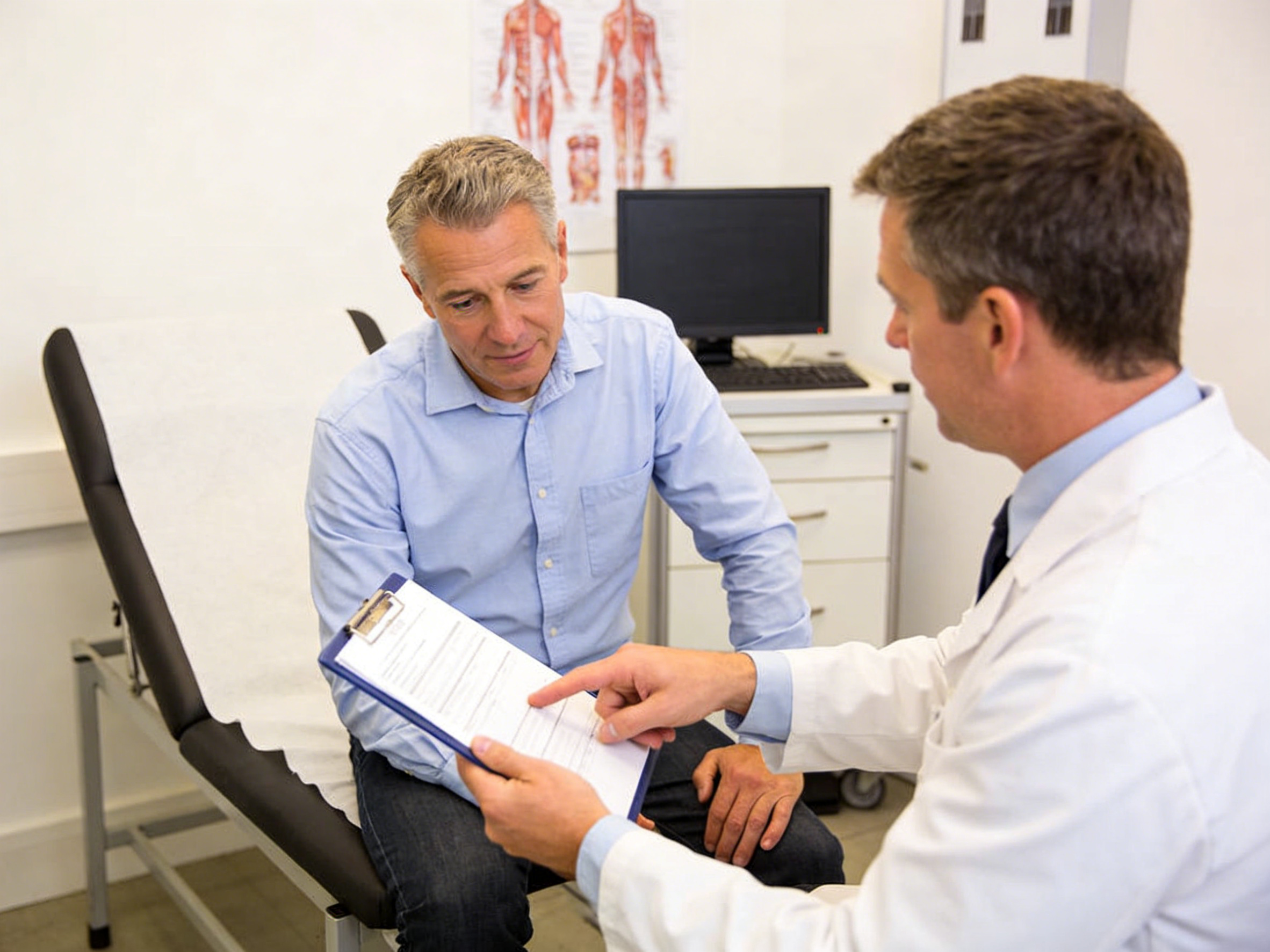
Men's Health: A Guide to Symptom Identification and Complication Prevention and Management of Mumps
This article provides an in-depth analysis of the droplet transmission routes and clinical classification of mumps. For men's health, it focuses on how to prevent complications such as orchitis through dietary therapy, topical application, and medication. It offers systematic home emergency treatment and traditional Chinese medicine conditioning solutions to help you scientifically cope with the epidemic and comprehensively protect men's health.
2026-03-26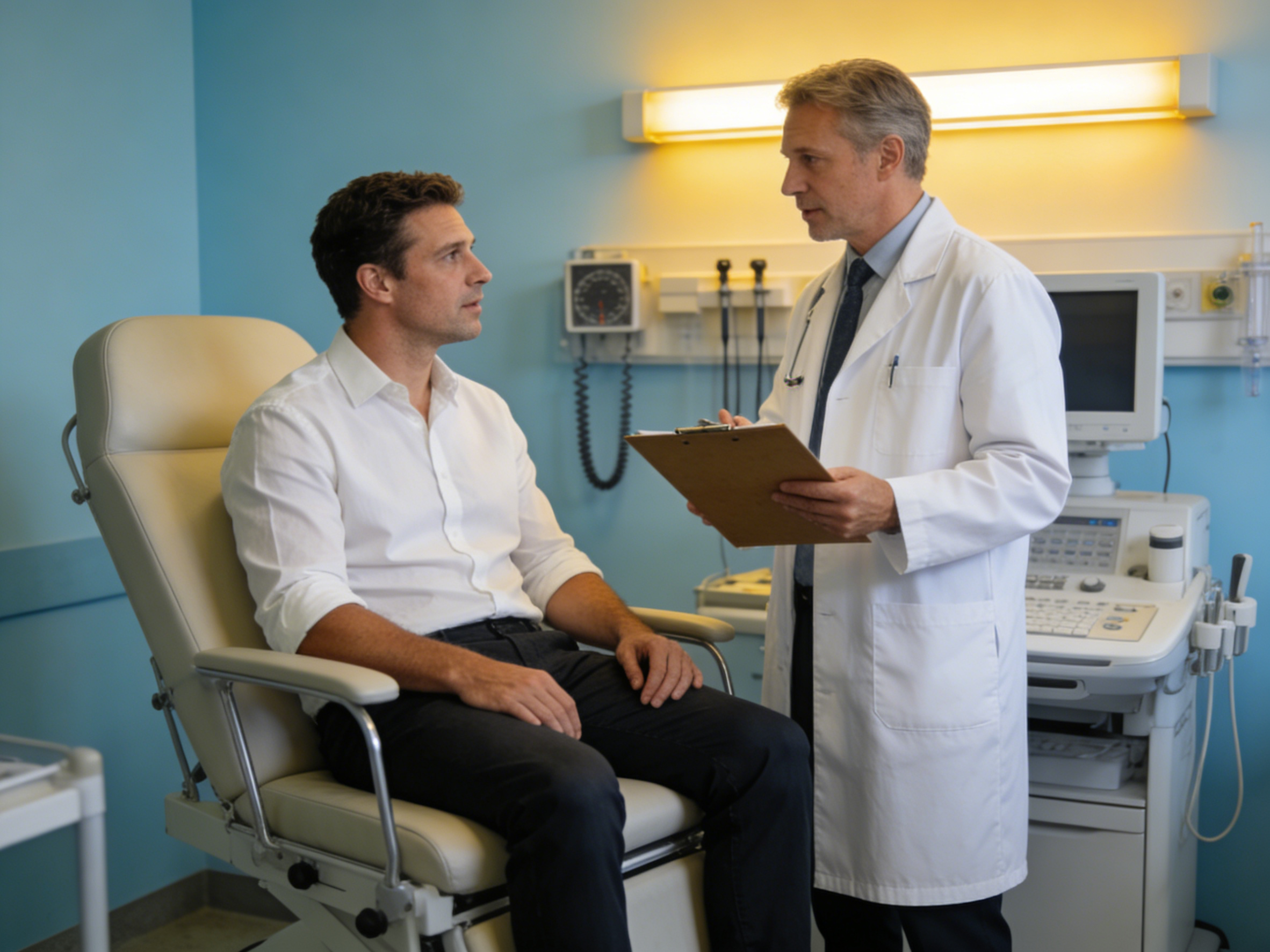
Men's Health: Analysis of the Causes of Low Libido and Guidelines for the Prevention and Treatment of Physiological and Pathological Nocturnal Ejaculation
This article provides an in-depth analysis of the organic and psychological causes of low libido in men and offers targeted psychotherapies. It also scientifically distinguishes between physiological and pathological nocturnal emission and, addressing men's health needs, provides prevention and treatment strategies from multiple dimensions, including lifestyle habits, local lesions, and psychological support, comprehensively safeguarding your men's health.
2026-03-27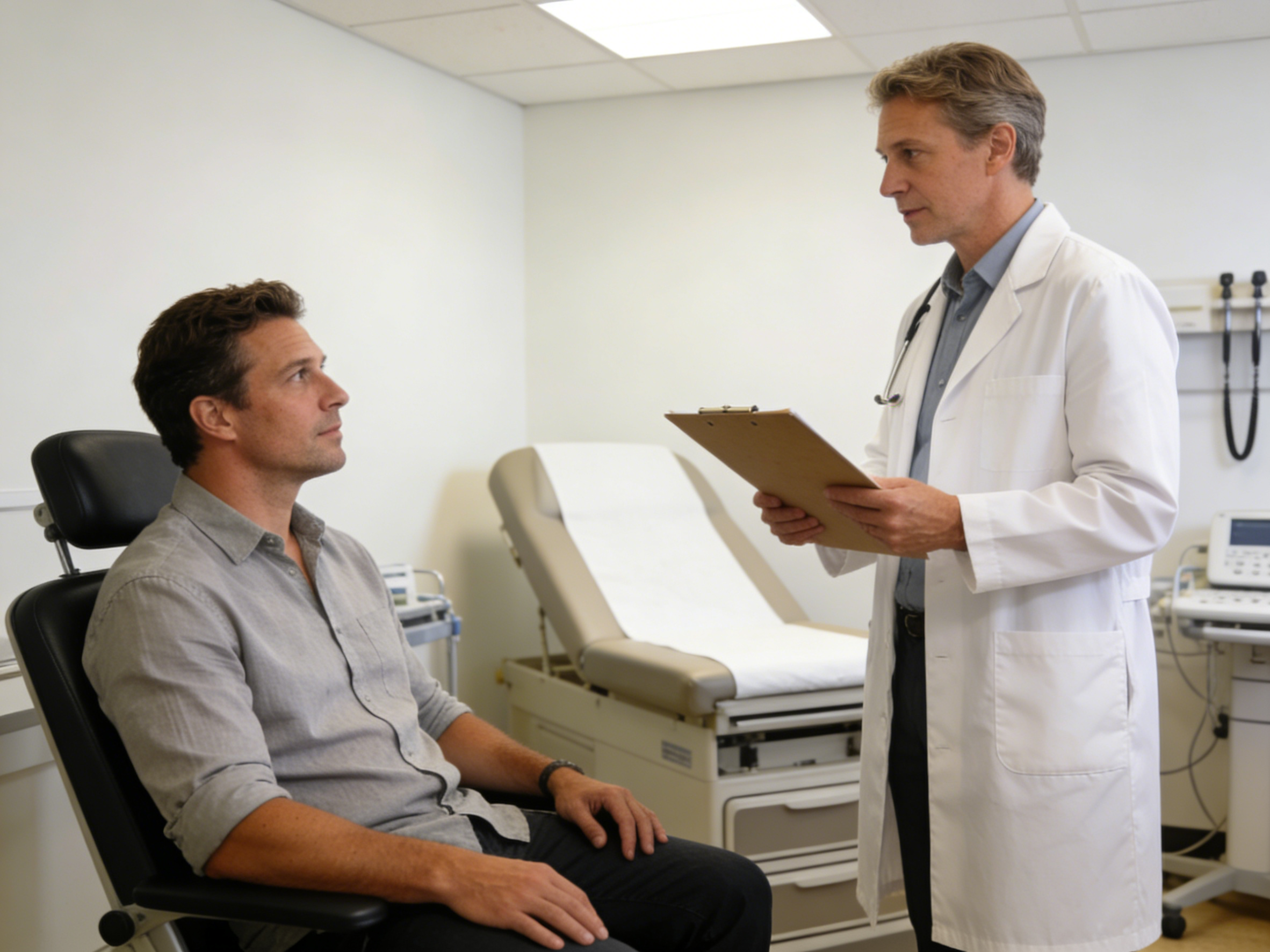
Men's Health: In-depth Analysis of the Causes of Erectile Dysfunction and a Comprehensive Guide to Five Major Clinical Treatment Options
This article provides a detailed analysis of the diagnostic criteria for psychogenic and vascular erectile dysfunction. It delves into cutting-edge treatment options for men's health, including sensate focus training, instrumental therapy, and vascular surgery. It scientifically corrects misconceptions about temporary erectile dysfunction caused by fatigue and stress, helping you regain confidence and achieve precise and effective men's health management.
2026-03-28