
Healthy Winter Diet Strategies and Winter Health Tips
Healthy Winter Diet Strategies
Gentlemen, do you know how to stay energetic throughout the winter? Please listen to the following suggestions:
Drink water regularly. Drink a large glass of unsweetened water as soon as you wake up in the morning to replenish the water lost overnight. Drink at least 1500 ml of water daily, more after strenuous exercise. Drink small amounts frequently, and you can also drink vitamin-rich fruit and vegetable juices, as well as herbal teas with nourishing or calming effects. Minimize your intake of stimulating beverages.
Pay attention to breakfast. Your breakfast should consist of a dairy product, a cereal, a piece of fruit or a glass of juice, and a hot drink. Breakfast should provide 1/4 to 1/3 of your daily calorie and protein needs.
Eat meals at regular times. Distribute your three or four meals a day at regular intervals.
Set aside dedicated mealtimes. Eating should be a pleasure; fully enjoy this happy moment, quietly chewing slowly and allowing the food to absorb saliva. This not only aids digestion but also regulates appetite.
Pay attention to food nutrition. Prioritize vegetables, fresh fruits, and lean meats. Be mindful of calcium intake, as it is essential for bone health.
Be mindful of fat. Control both the quality and quantity of fat intake. Moderate fat intake has certain benefits, but excessive intake can negatively impact health.
Limit sugar consumption. Avoid high-sugar pastries and replace them with fruit purees and fruit salads, which not only enhance flavor but are also low in calories.
Emphasis on vitamin-rich foods. Fresh fruits, dried fruits, and nuts are rich in carbohydrates and vitamins, making them ideal for replenishing energy and maintaining stamina.
Winter Eating Precautions
Avoid eating too much oily food in winter. Consuming too many fatty foods, especially those high in saturated fat (mainly found in pork and pastries), can lead to subcutaneous fat accumulation. Conversely, we need essential fatty acids and vitamin E to protect our skin from dryness and dehydration, so we need 2 tablespoons of vegetable oil (or 2 teaspoons of margarine) daily.
Drink more soup in winter.
① It helps the body stay hydrated. People rarely feel thirsty in winter, but due to the dry weather, we actually need more water.
② It provides a feeling of fullness, filling our stomachs while providing relatively few calories.
③ It allows us to utilize a variety of seasonal vegetables: carrots, onions, potatoes, cabbage, celery, pumpkin, etc., to maximize the nutritional benefits.
Supplement with certain vitamins. In fact, a balanced and diverse diet (i.e., a diet containing all types of food) is usually sufficient to meet our vitamin needs. In winter, when infectious diseases are prevalent, it's especially important to pay attention to vitamin C intake, as it can boost our immunity. Therefore, increase your intake of citrus fruits, cabbage, cauliflower, spinach, and fennel.
No need to eat too much. For those who work outdoors or engage in physical activity, who need to consume a lot of complex carbohydrates for energy, eating more in winter is acceptable. However, in some parts of China, winters are not very cold, and many people live and work in warm environments. Eating too much in these areas can lead to fat accumulation and a bulky physique.

Male Health Warnings Regarding the Risk and Prevention of Fatty Liver
This article analyzes the causes of fatty liver disease in people with high alcohol consumption and obesity, and provides scientific prevention methods such as dietary control and increased exercise. Focusing on men's health requires starting with risk awareness and proactive intervention; comprehensive men's health knowledge is of significant guiding importance in avoiding the threat of fatty liver disease.
2026-03-07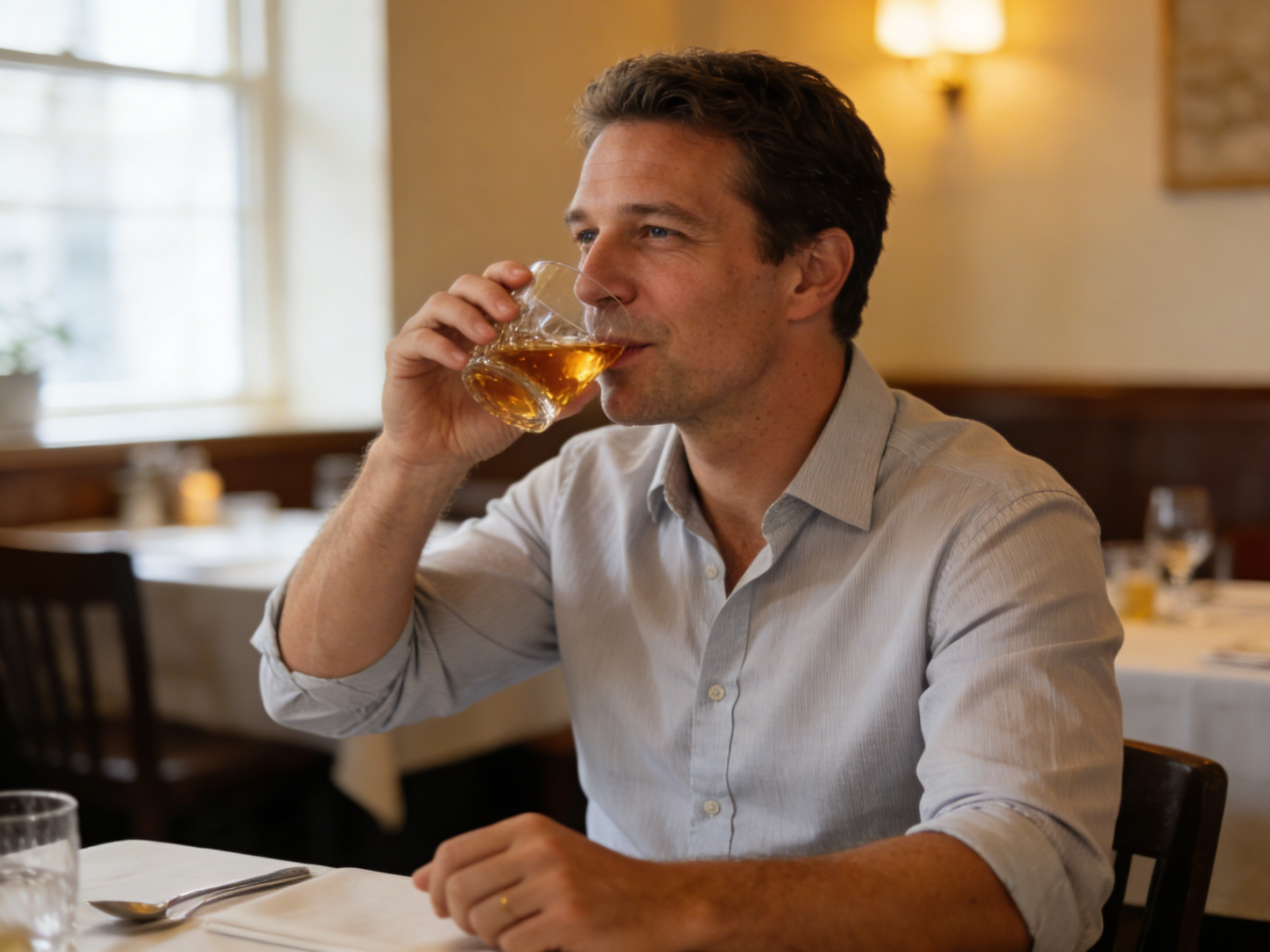
A comprehensive analysis of the causes of erectile dysfunction and a scientific approach to men's health.
This article analyzes common factors contributing to male erectile dysfunction from the perspectives of alcohol consumption, smoking, disease, and drug side effects, with a focus on the impact of prolonged cycling and psychological factors on erectile function. Addressing men's health requires a scientific understanding of the contributing factors; comprehensive knowledge of men's health can facilitate early intervention and effective prevention.
2026-03-08
A Comprehensive Analysis of the Definition, Causes, and Treatments of Premature Ejaculation
This article provides a detailed analysis of the three classification criteria for premature ejaculation and delves into the main causes, such as psychological factors and inflammation, leading to premature ejaculation. It also introduces various treatment methods to improve premature ejaculation, including massage and changing the atmosphere. Scientific treatment knowledge helps in properly managing premature ejaculation and improving the quality of sexual life.
2026-03-09